CFO and co-founder @Accompany, acquired by @Cisco. Turnaround CFO @Ning, sold to Glam Media. Former seed VC. McKinsey trained. @Wharton School and @Haas School of Business.
Turning an Atari 2600 Cartridge Into a Fully Playable Retro Handheld
With a metallic gray Game Kiddy Pixel II inside and a bit of CNC wizardry, the result is a pocket-sized nostalgia machine that plays everything from the Atari 2600 era through the PlayStation.
Atari 2600 Playable Cartridge
Turning an Atari 2600 Cartridge Into a Fully Playable Retro Handheld: Some projects start as a wild idea and end up becoming your favorite thing on the shelf.
This build began the same way: What if an original Atari 2600 cartridge — the classic Combat brick of plastic — could become its own handheld console?
With a metallic gray Game Kiddy Pixel II inside and a bit of CNC wizardry, the result is a pocket-sized nostalgia machine that plays everything from the Atari 2600 era through the PlayStation.
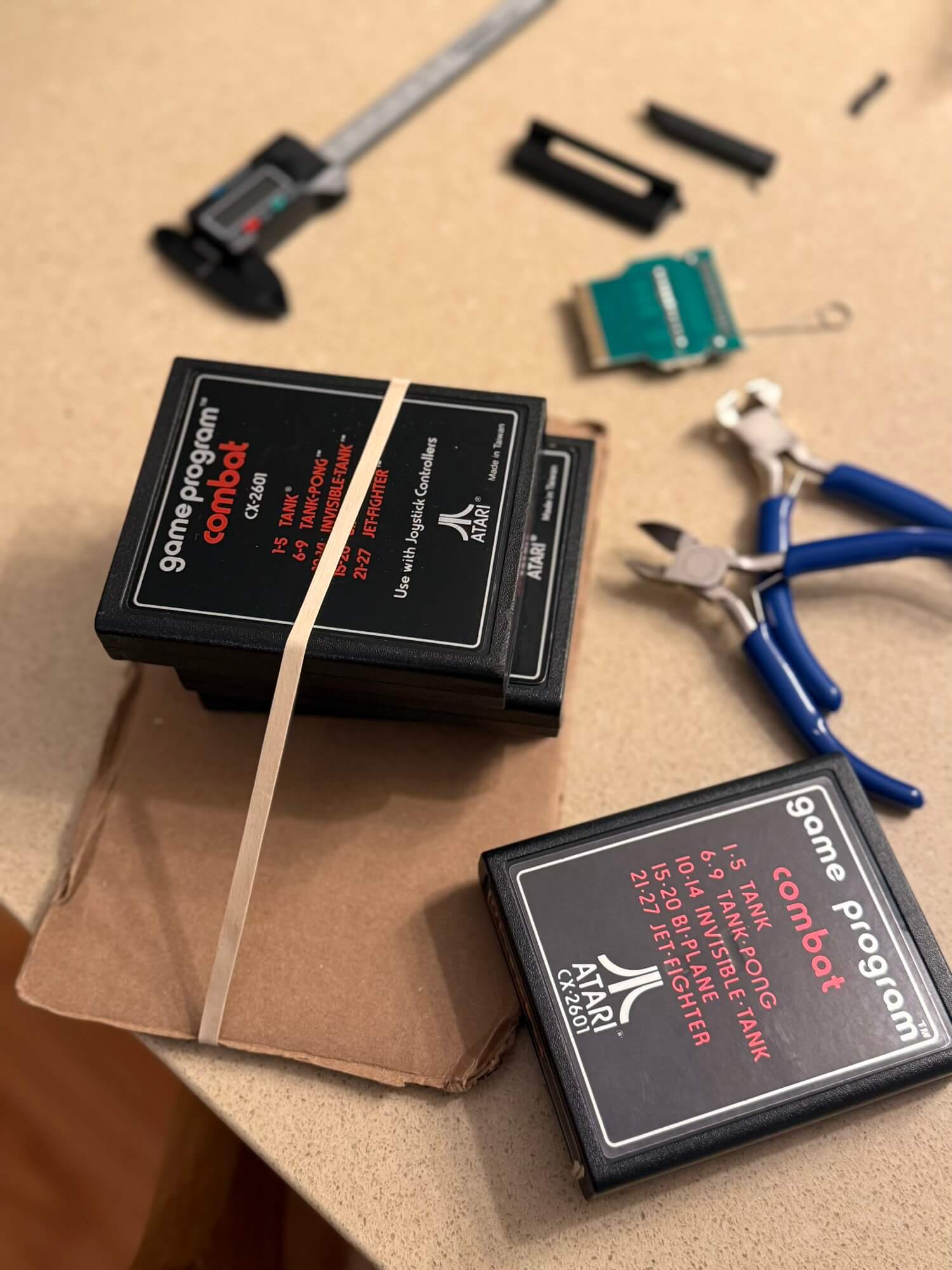
The Base: An Original Combat Cartridge
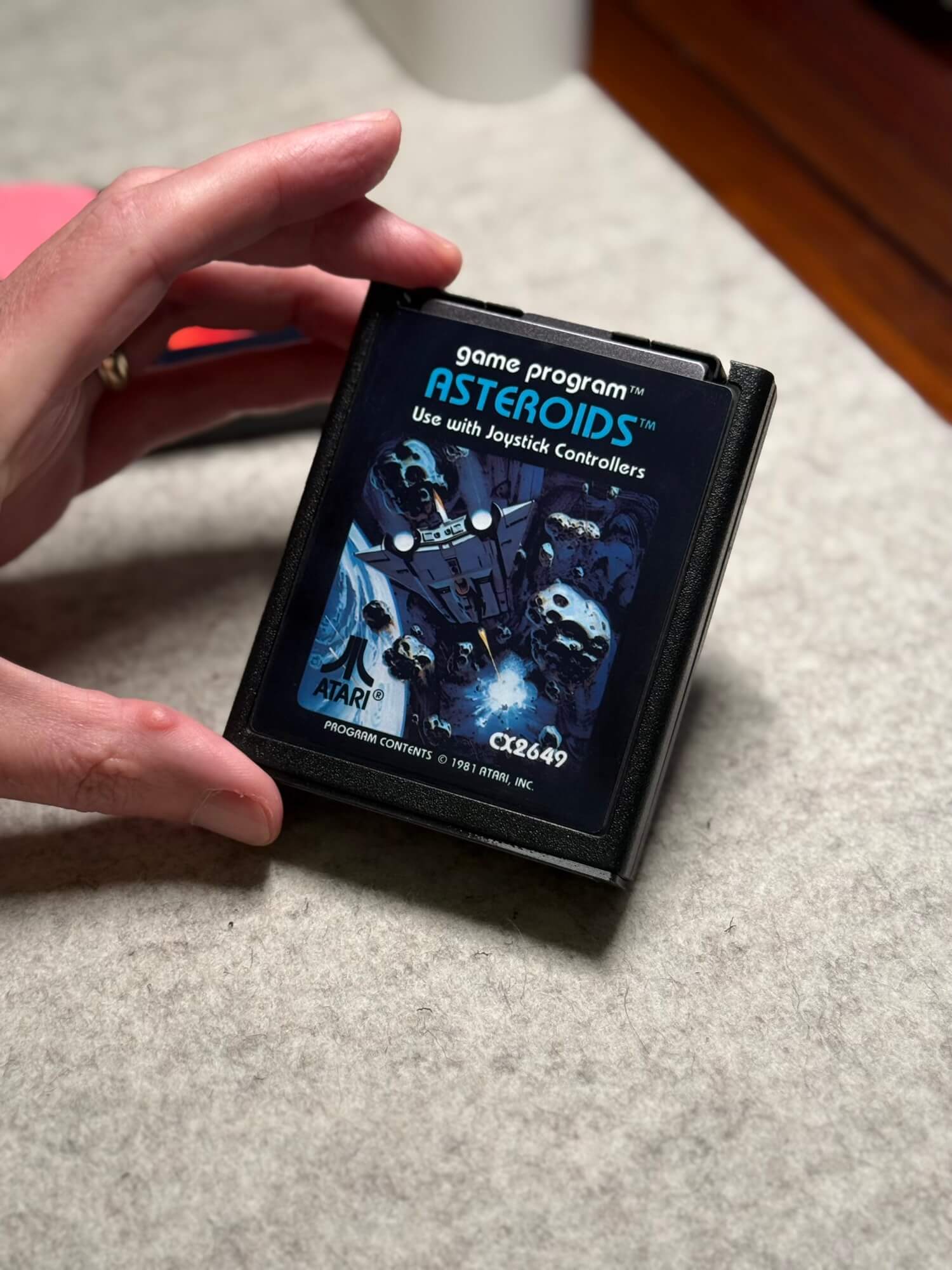
I picked up a cheap lot of Atari cartridges on Etsy so I could carve with a clean conscience. The donor cartridge started life as Combat, but I’ve sourced fresh Yars’ Revenge and Asteroids labels. I ultimately went with Asteroids and Yars’ becoming the Post-It note dispenser you see in the background.
The outer shell is still the original 1977 black plastic — exactly the aesthetic this build deserves — with the gray metal of the Pixel II peeking through the milled openings.
CNC Carving the Screen & Controls
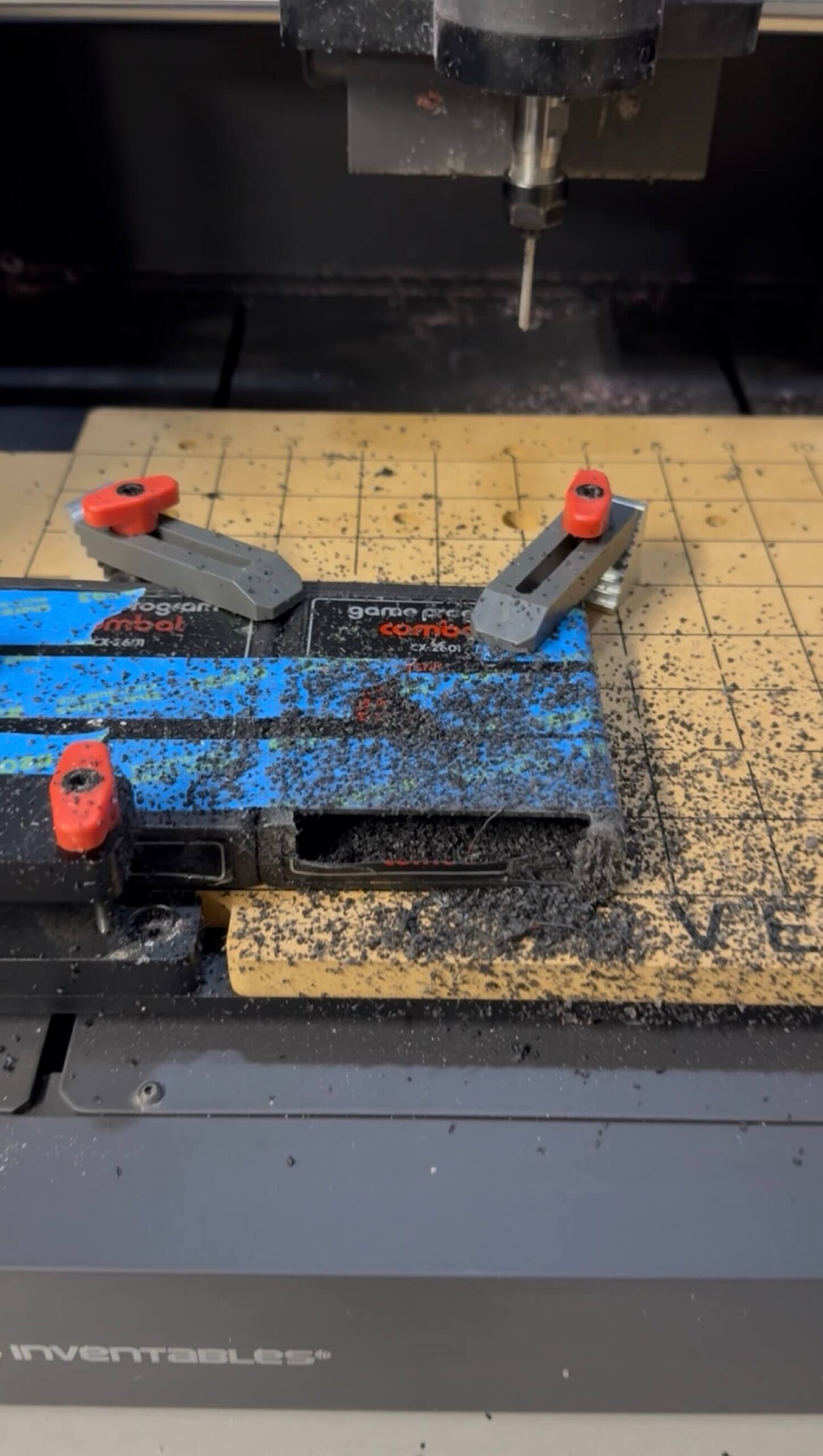
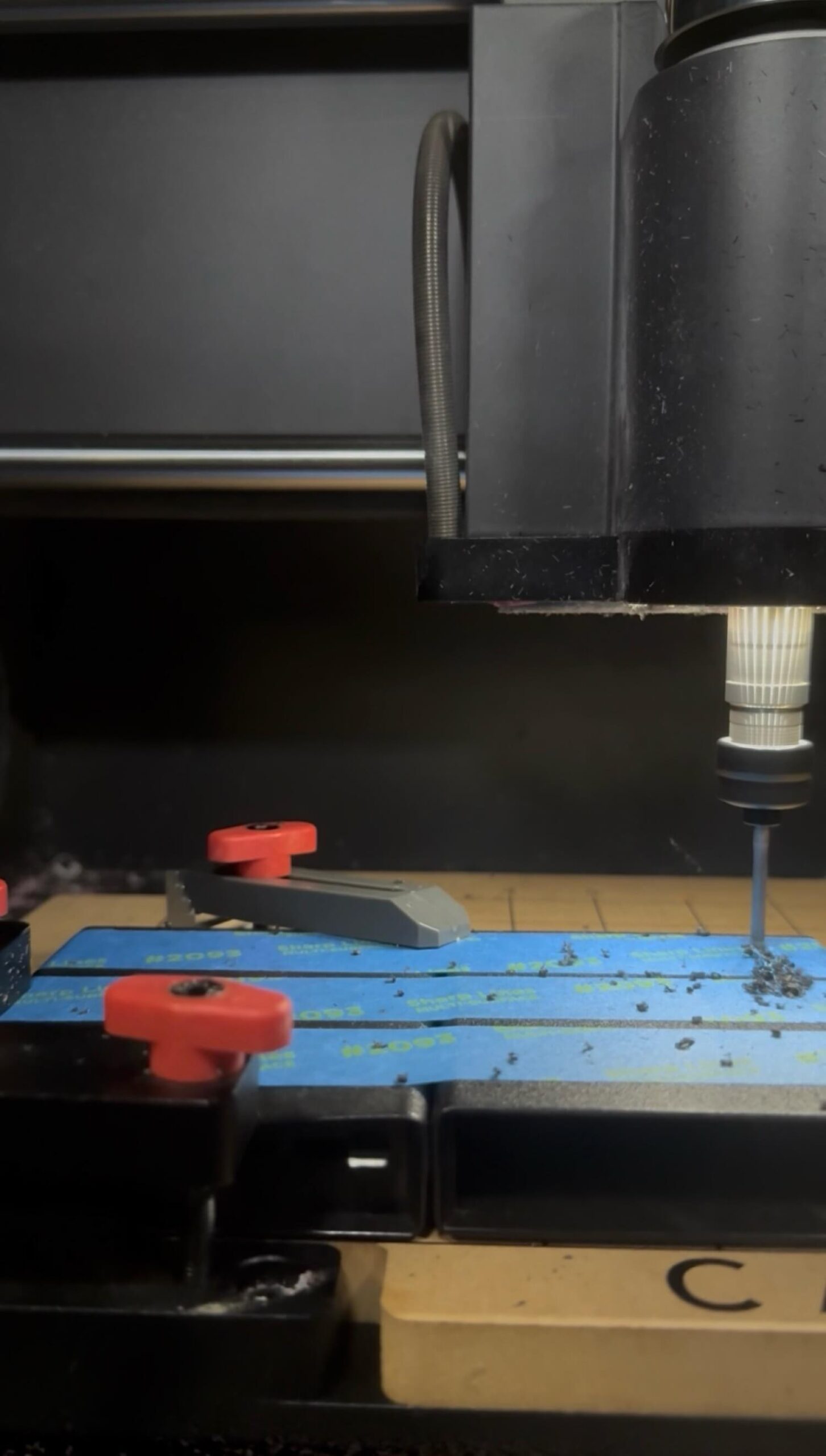
To make everything fit cleanly, I used my CNC to carve two precise openings into the back of the cartridge:
Main screen window — perfectly sized for the 2.4" 640×480 IPS display
Controls window — exposing the D-Pad, ABXY buttons, Start, and Select
The cutouts keep the sharp Atari geometry but include slightly rounded corners to prevent scraping during gameplay. It still feels authentically “Atari,” but without the finger punishment.
Top Trigger Buttons & Side Pins
The Pixel II has four shoulder buttons along the top edge, so I milled a long horizontal opening along the top of the cartridge. They look shockingly natural once installed.
On the sides, the Pixel II has low-profile, rarely pressed buttons:
Left: Volume up/down
Right: Power & Menu
For these, I wanted something that wouldn’t interrupt the silhouette of the cartridge. So I made tiny pinholes — just large enough for a paperclip — and they’re almost invisible unless you know where to look.
Milling The Openings
Clearing the Internals
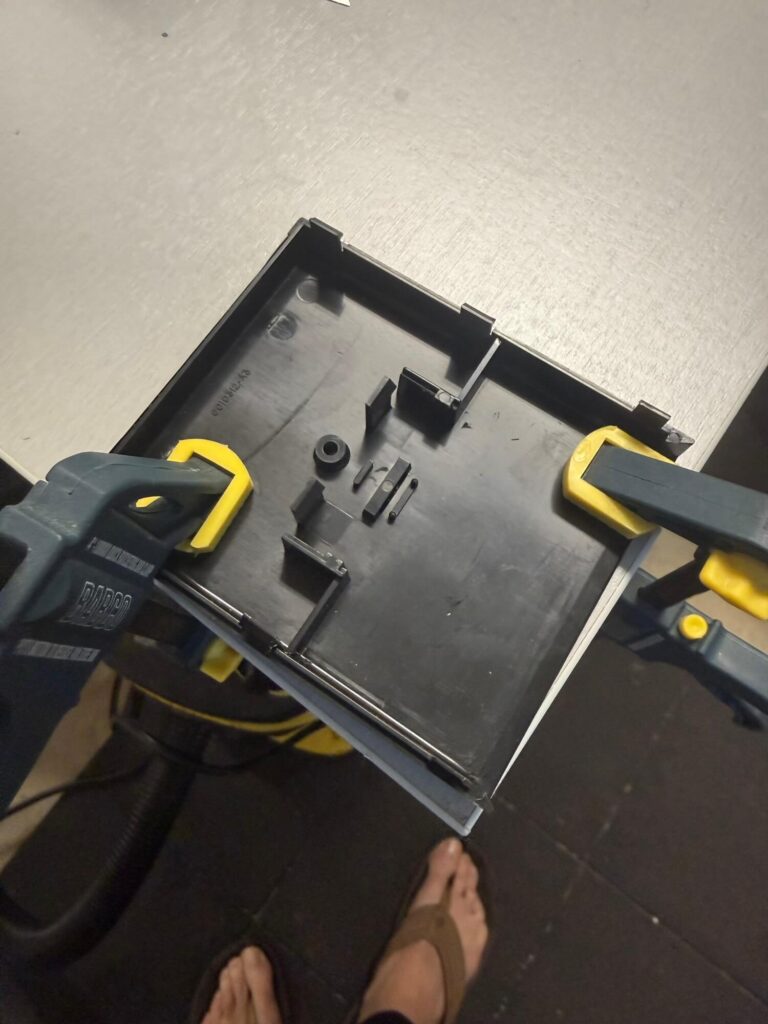
Inside an Atari cartridge is a surprising amount of structural plastic. Using a combination of:
a sharp chisel
a fresh razor blade
sanding blocks
…I cleared the interior to perfectly nest the Pixel II. The original bottom piece — the one that normally opens when you insert the cartridge into a console — was trimmed, sanded, and notched for the USB-C charger.
Even better: the speaker just happens to align with the cartridge’s bottom slot, so sound comes through naturally.
Pressure-Fit Assembly Using Only 1977 Plastic
One of my favorite parts of the build: no glue, no screws
The entire handheld is held together by the original six internal tabs (three per side) and that modified bottom flap. Everything snaps together with original Atari tolerances, and it genuinely feels like a commercial prototype Atari might have explored.
Chunky-retro but comfortable — exactly the vibe I wanted.
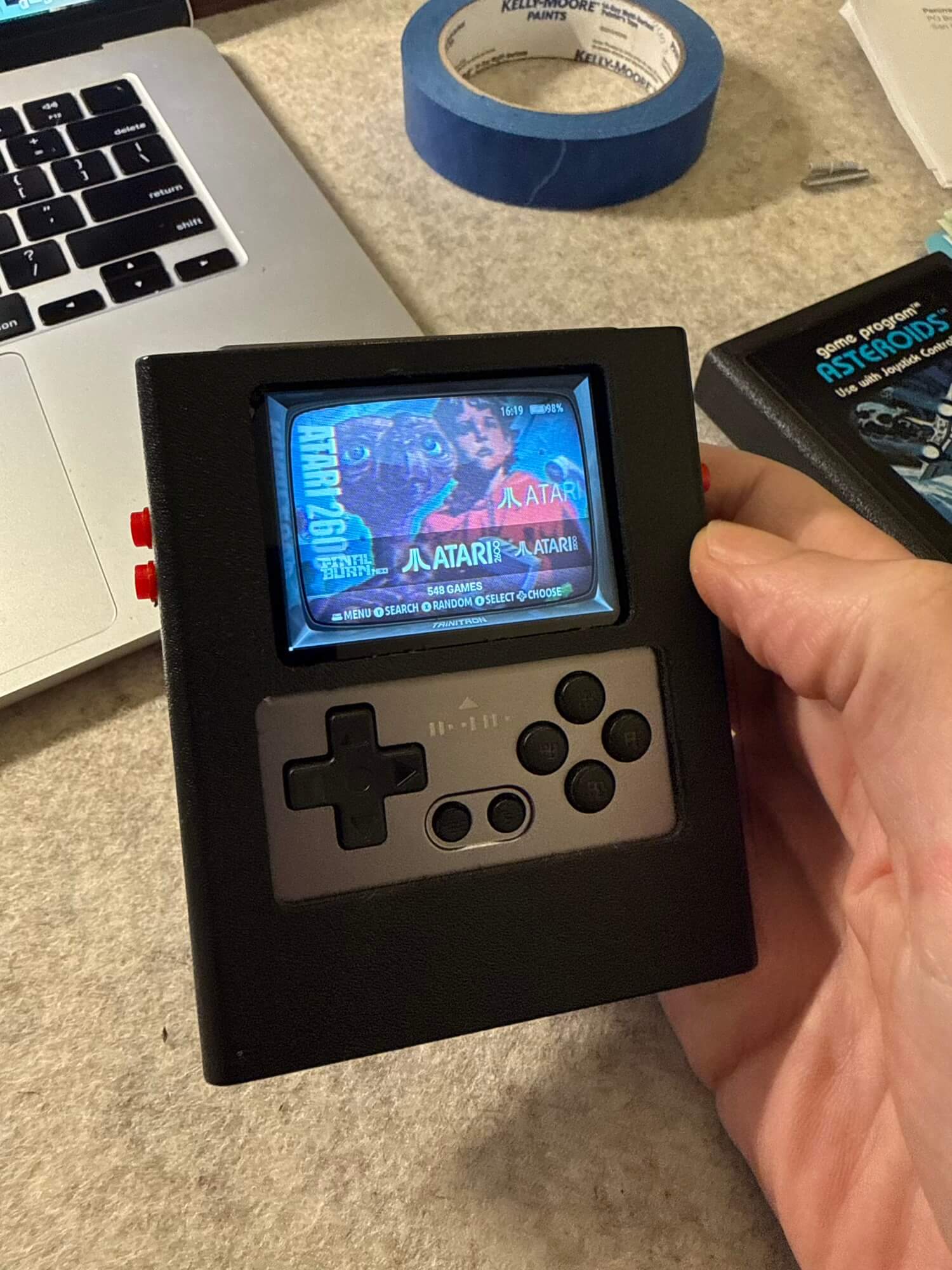
Running EmulationStation With a CRT Theme
The Pixel II runs EmulationStation beautifully, so I enabled one of the CRT-inspired themes.
The look is perfect for this build:
scanlines
curved screen edges
chunky fonts
retro color palettes
Flip the cartridge over and you’re suddenly holding a mini arcade museum.
From the Atari 2600 through the PlayStation, everything boots instantly and looks fantastic on the tiny 2.4-inch IPS screen.
Why It Works So Well
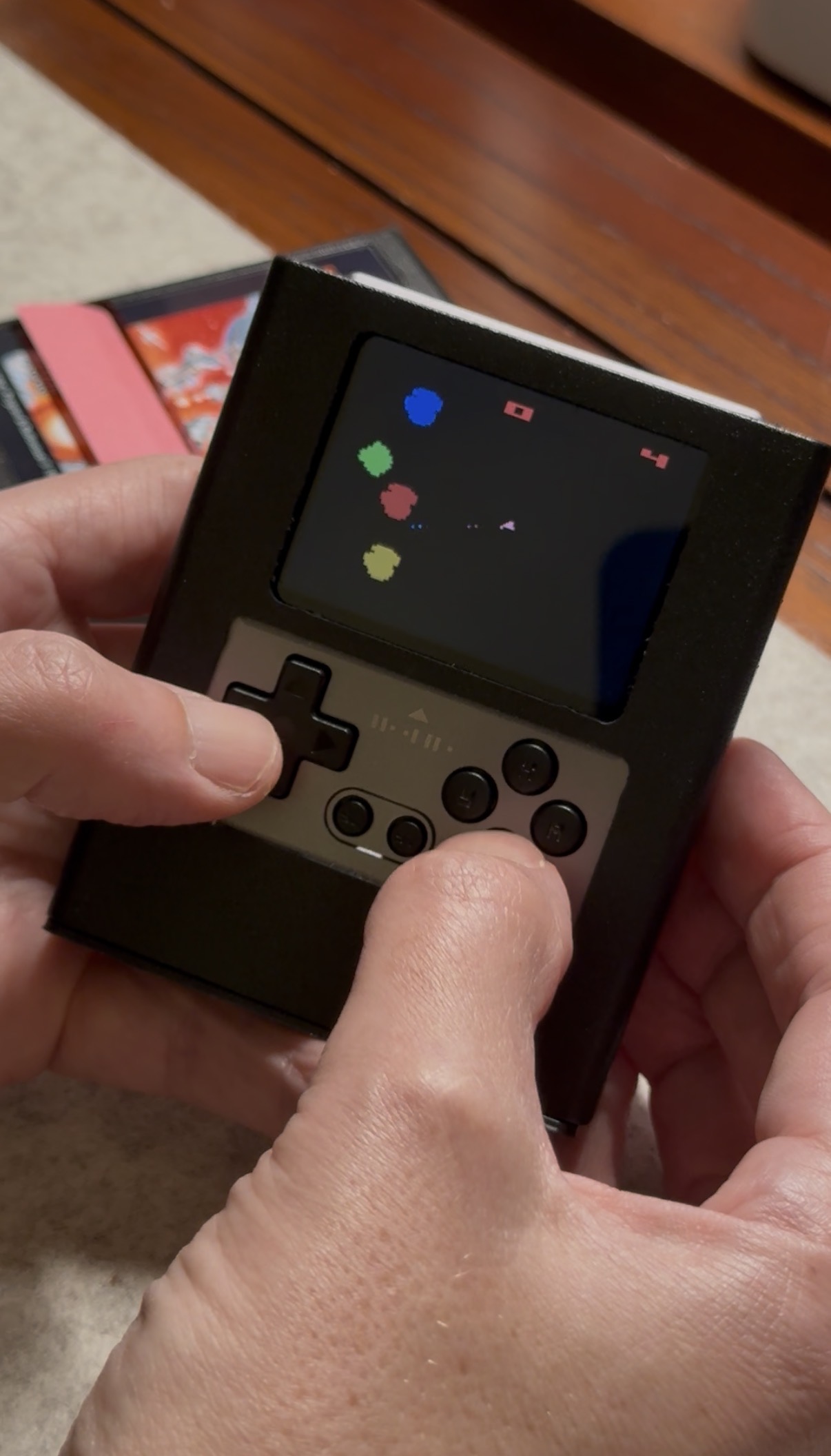
Despite how absurd the idea sounds, the final result is shockingly playable:
The cartridge shape gives you a wider grip
The Pixel II’s metal case peeks through like a high-end mod
The weight and balance feel right
Every button is accessible
All ports are reachable
The whole thing becomes a compact, durable little handheld
It’s retro gaming reimagined — equal parts nostalgia piece and practical daily driver.
Final Thoughts
I love builds that blend eras — the precision of modern machining with the charm and personality of vintage plastic. This Atari 2600 × Pixel II hybrid hits that sweet spot: it looks like a relic from an alternate timeline, but plays like a tiny powerhouse.
More retro mashups coming soon.