Ryan McDonough

Founder, Sometime Artist

CFO and co-founder @Accompany, acquired by @Cisco. Turnaround CFO @Ning, sold to Glam Media. Former seed VC. McKinsey trained. @Wharton School and @Haas School of Business.

Follow

TINKERING

Building the TVA: A Retro-Futuristic Timeline Monitoring System

TVA Field Monitor and Tempad

Building the TVA: A Retro-Futuristic Timeline Monitoring System


I’ve always loved the retro-futuristic design of the Time Variance Authority in Marvel’s Loki. There’s something wonderful about a bureaucracy responsible for managing all of time and space using technology that looks like it hasn’t been updated since 1973.


Chunky monitors. Amber displays. Cryptic terminals. Institutional logos. A seemingly infinite collection of buttons, switches, and paperwork.


Naturally, I wanted to build my own.

Monitoring the Sacred Timeline, tracking dangerous variants, and keeping the multiverse under control. Just another day at the Time Variance Authority.

The Sacred Timeline Is Live

The centerpiece is a custom TVA monitoring interface, built using Lovable and designed to look like software running on an aging government mainframe.


Rather than simply recreating screenshots from the show, I wanted the terminals to feel operational. The information needed to change, the controls needed to respond, and each screen needed a convincing reason to exist.


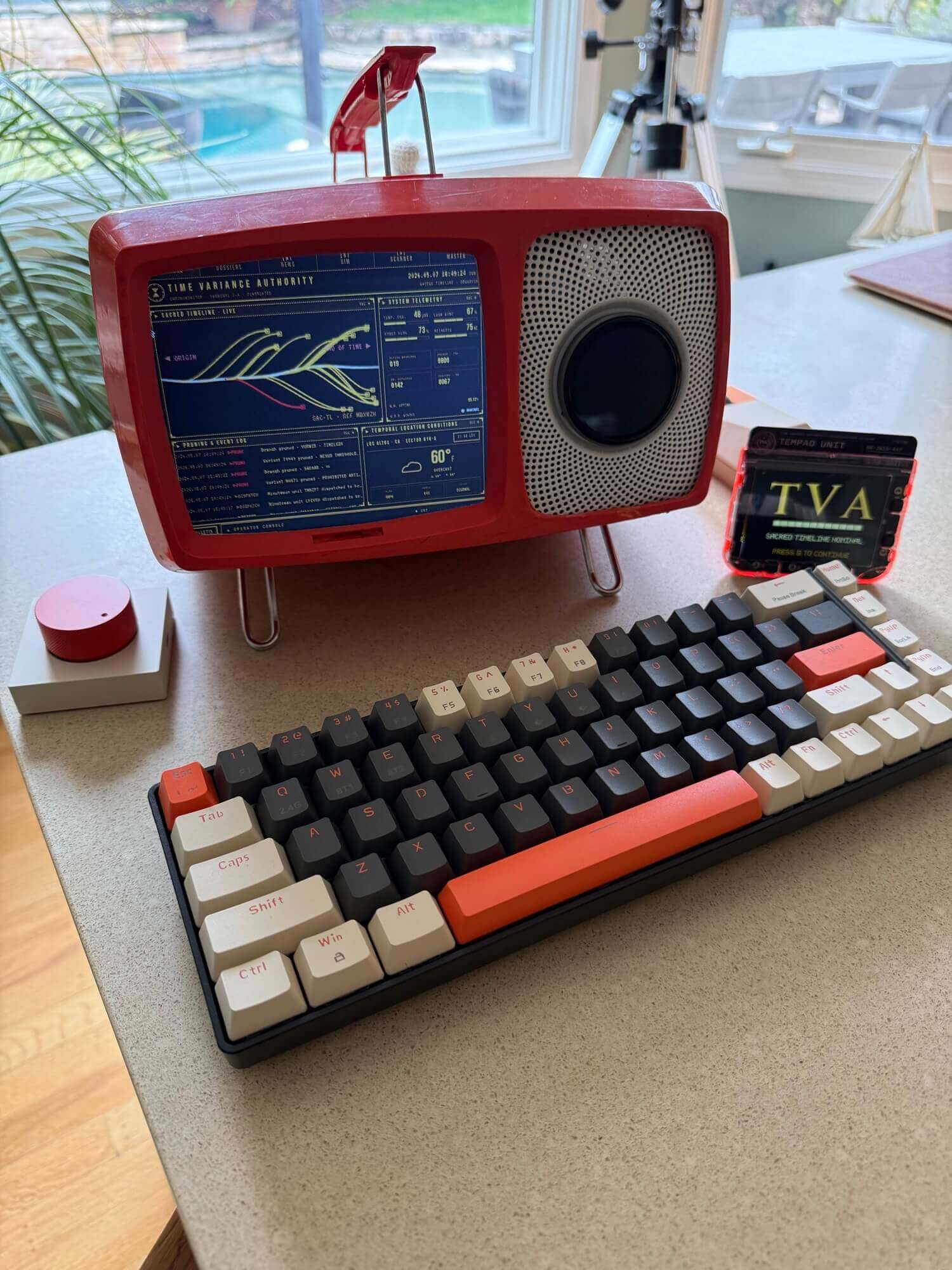
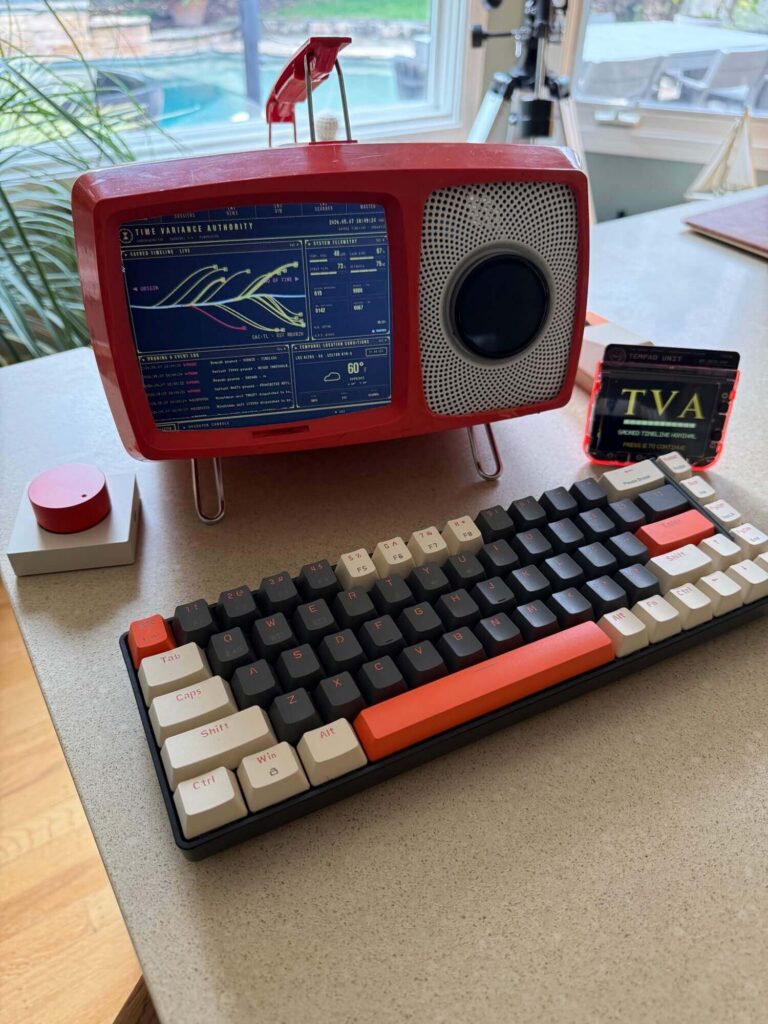
The main dashboard monitors the Sacred Timeline, displaying timeline activity, active branches, environmental conditions, system telemetry, and incoming alerts.


It’s the kind of interface that makes checking the weather feel like a matter of cosmic importance.

Inside the TVA Operating System

I developed several interconnected applications, each inspired by a different part of the TVA’s fictional operation.

Timeline Monitor: The main control room, complete with live system telemetry, branch monitoring, and Nexus Event warnings.

Temporal Newsfeed: A constantly evolving stream of timeline disturbances, unusual historical events, and suspicious variant activity. Each incident has its own classification, timestamp, and threat status.

Variant Dossiers: A database of individuals who have strayed from the Sacred Timeline, complete with case histories, temporal deviations, and enforcement records. Naturally, Steve Rogers has a file.

Environmental Scanner: Real-world environmental and weather data, presented as if it were being collected by TVA field equipment.

Master System Log: A detailed record of terminal activity, access events, and system operations. Certain keyboard commands can even trigger an unauthorized-access alert.

Simulation Archive: A collection of video feeds disguised as intercepted or archived broadcasts, complete with channel scanning, analog interference, and CRT effects.

The interfaces share an intentionally dated design language: amber typography, dense information displays, terminal-style navigation, and the occasional suggestion that something has gone terribly wrong in the timeline.

Despite the fictional setting, these are interactive applications rather than videos or static graphics.


Getting Started

Build Type: Functional Nostalgia
Status: Completed
Platform: Mini-Vidi, Monitor, Raspberry Pi

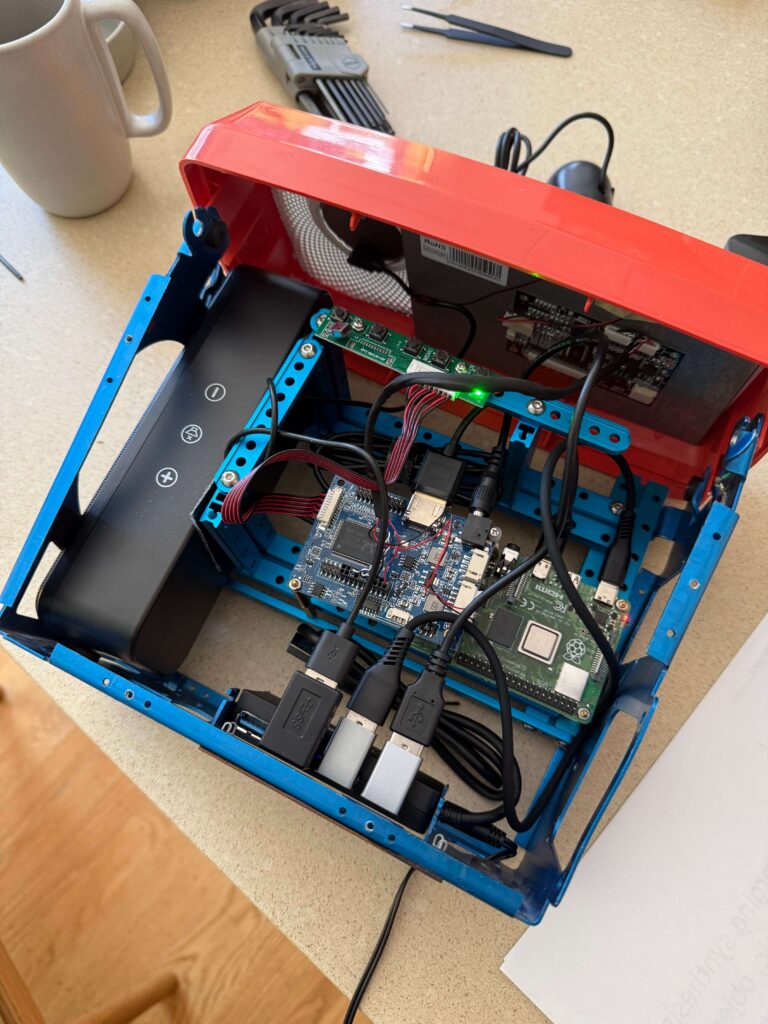
Electronics Coming Together

Bringing the TVA Into the Physical World

A fictional operating system deserves a proper terminal.


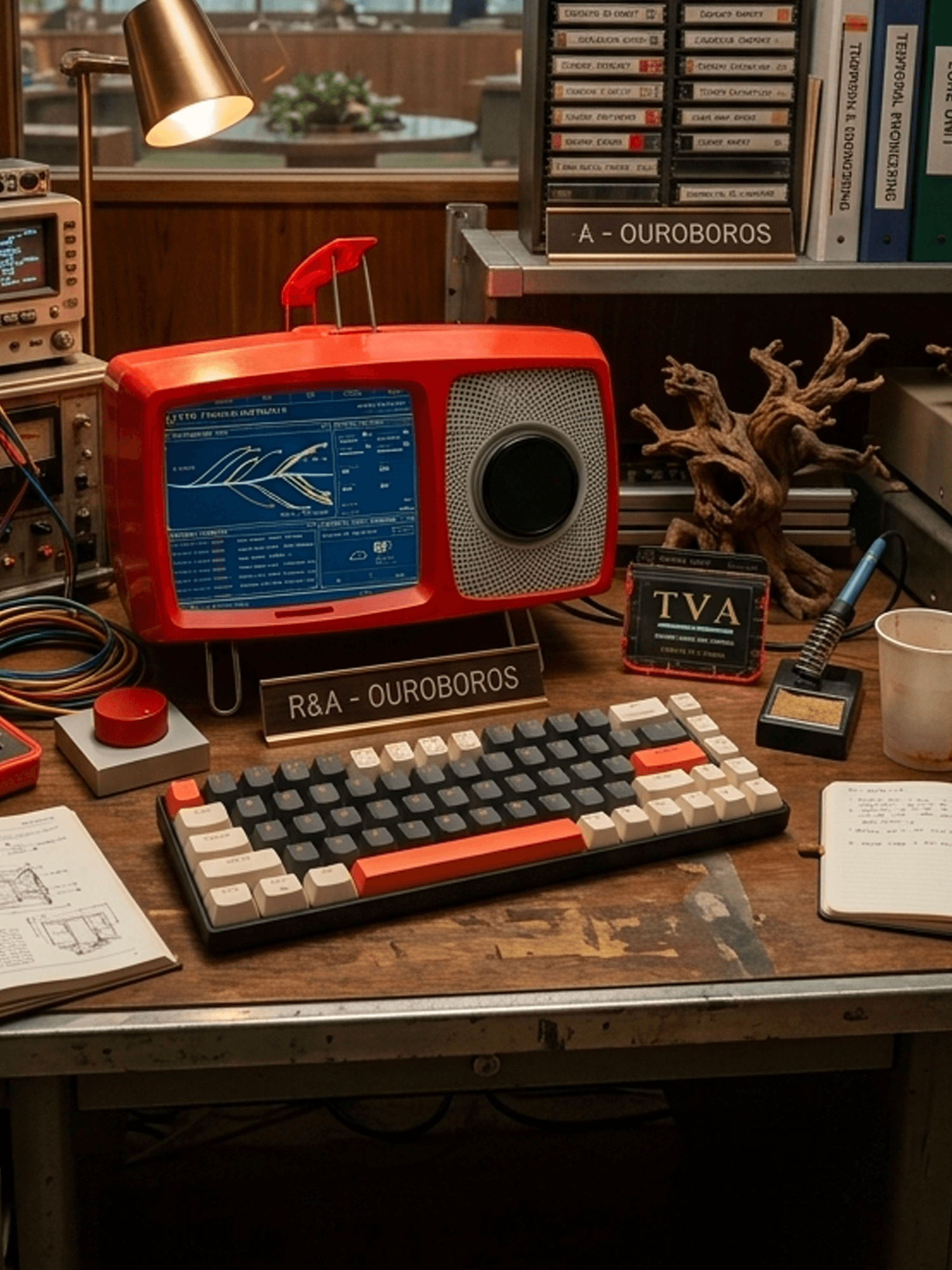
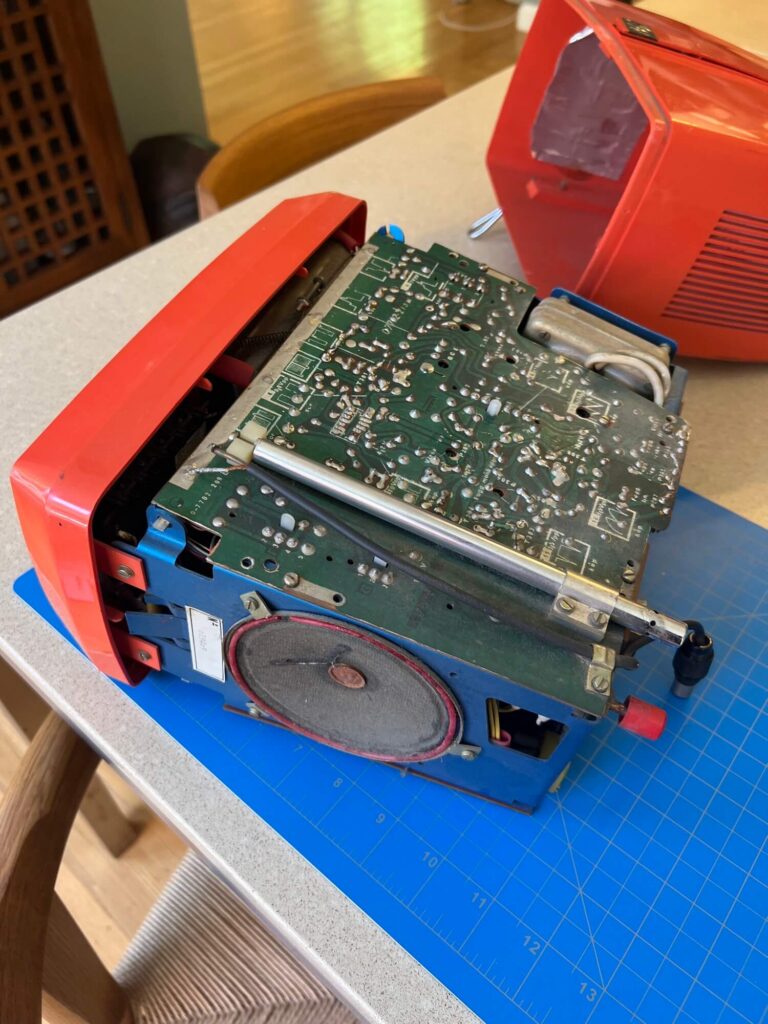
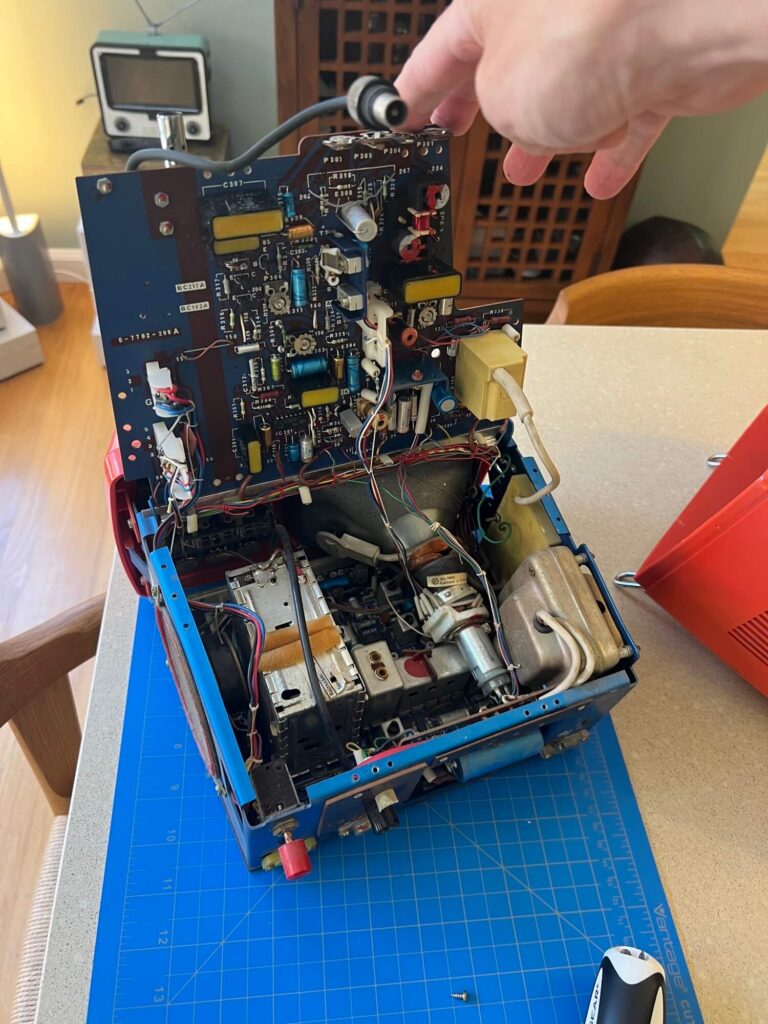
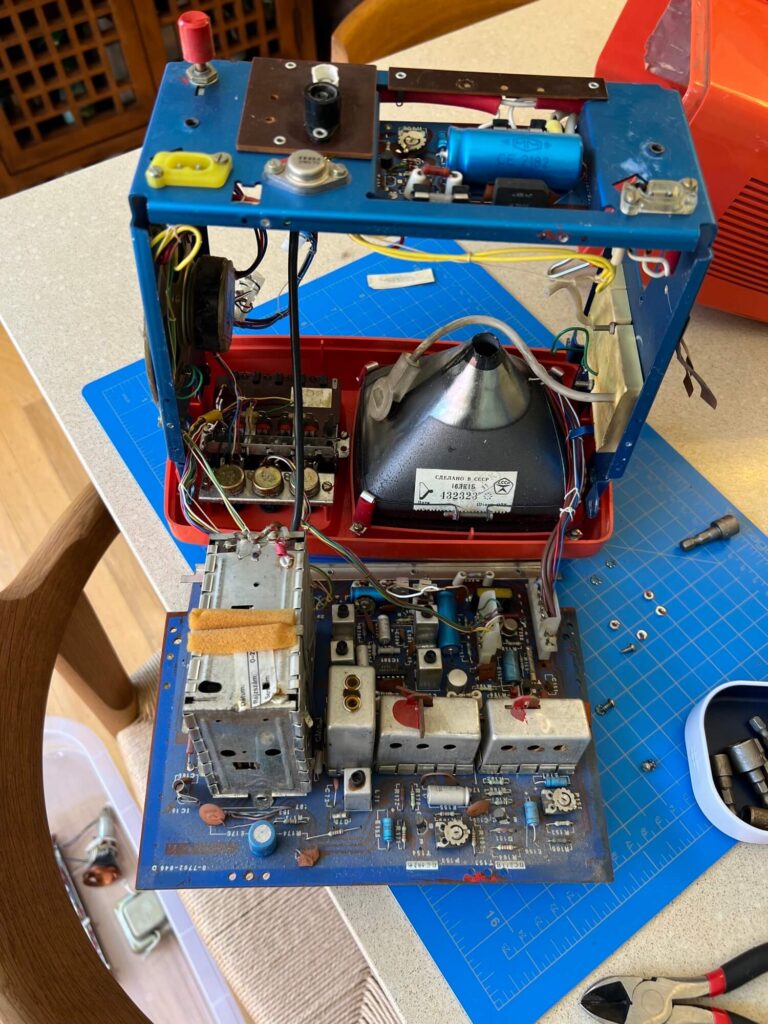
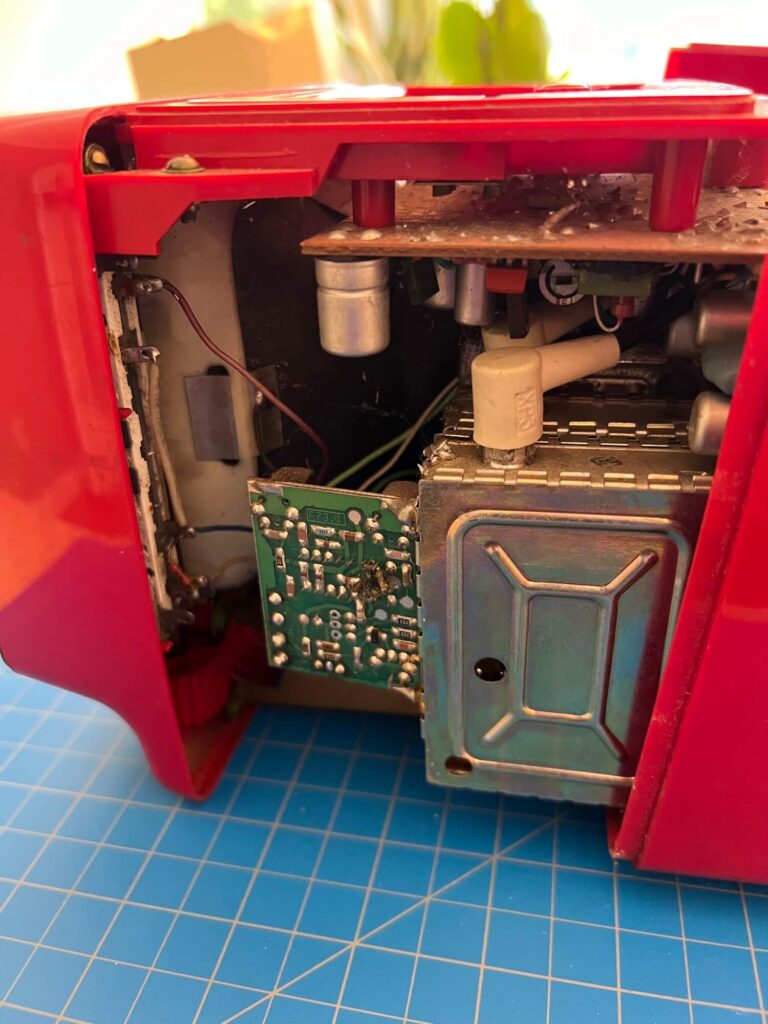
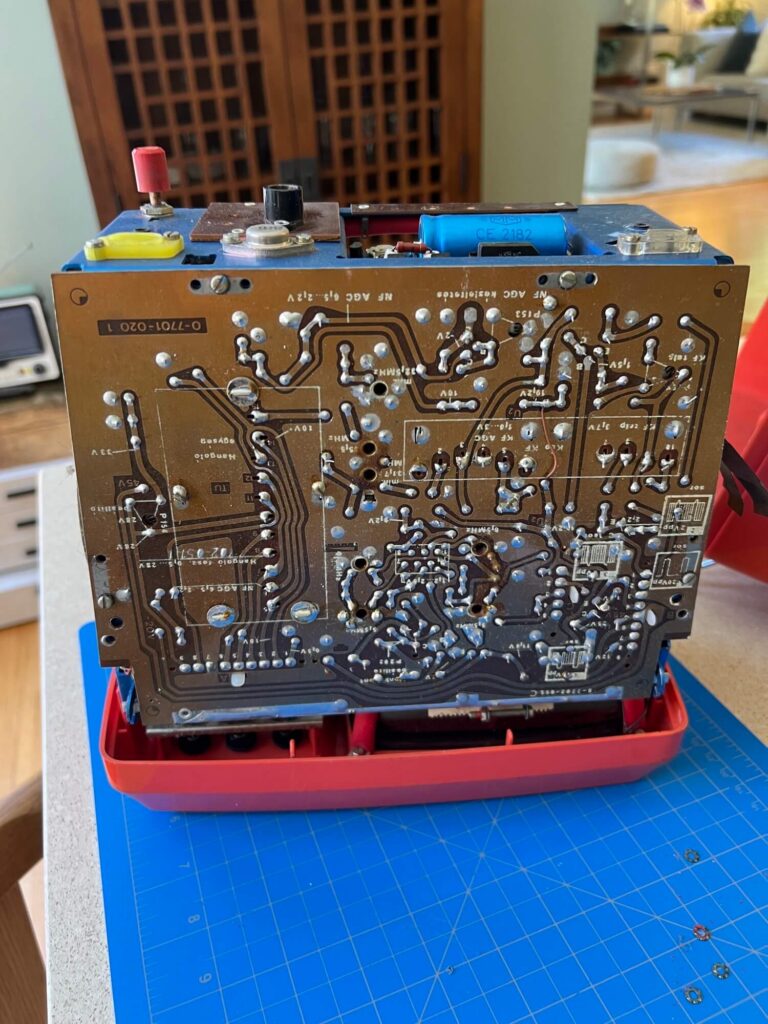
For that, I turned to a vintage 1970s Hungarian Videoton Mini-Vidi television. Its compact body and wonderfully period-correct design made it a perfect candidate for a TVA field monitoring station.


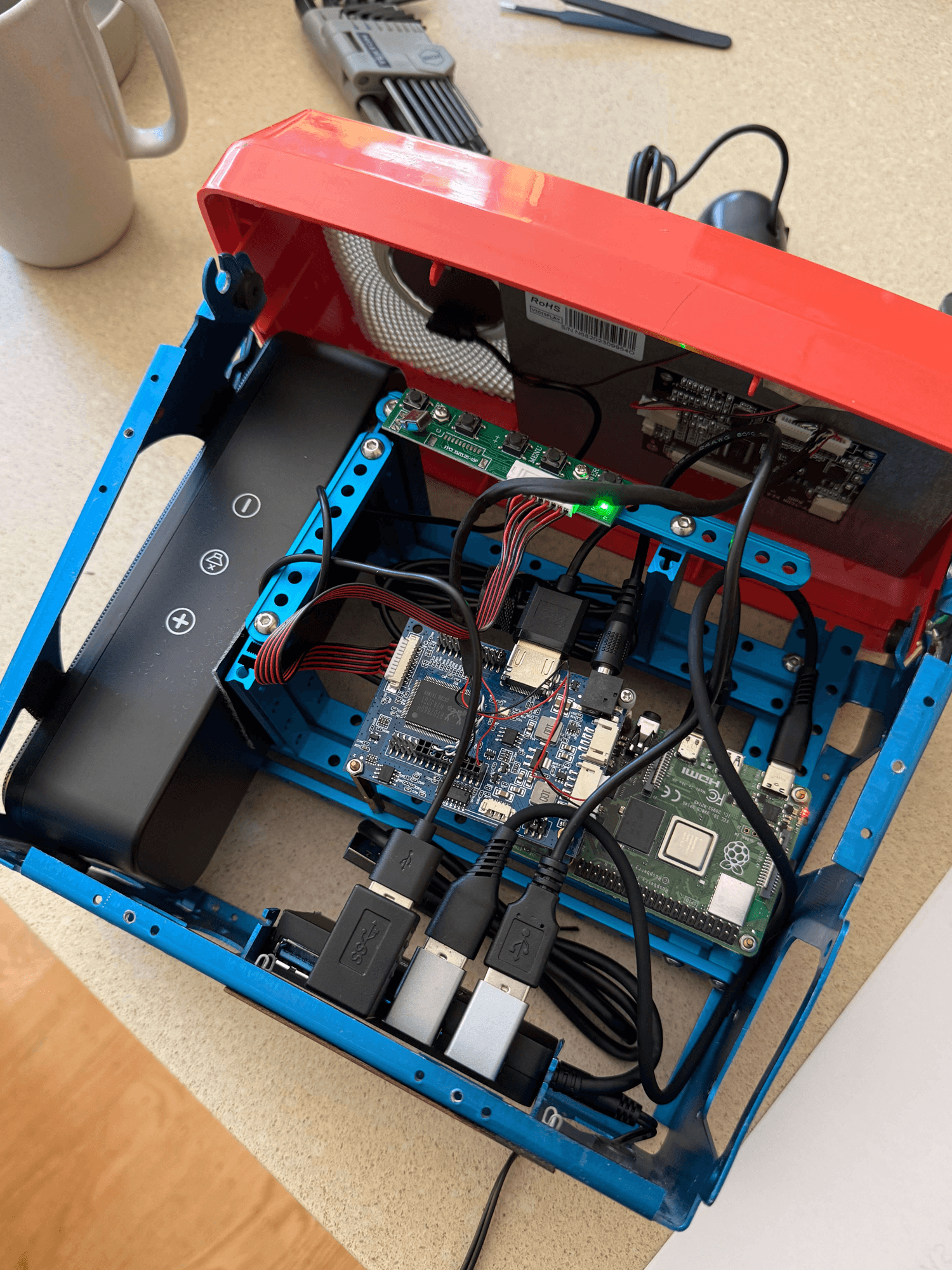
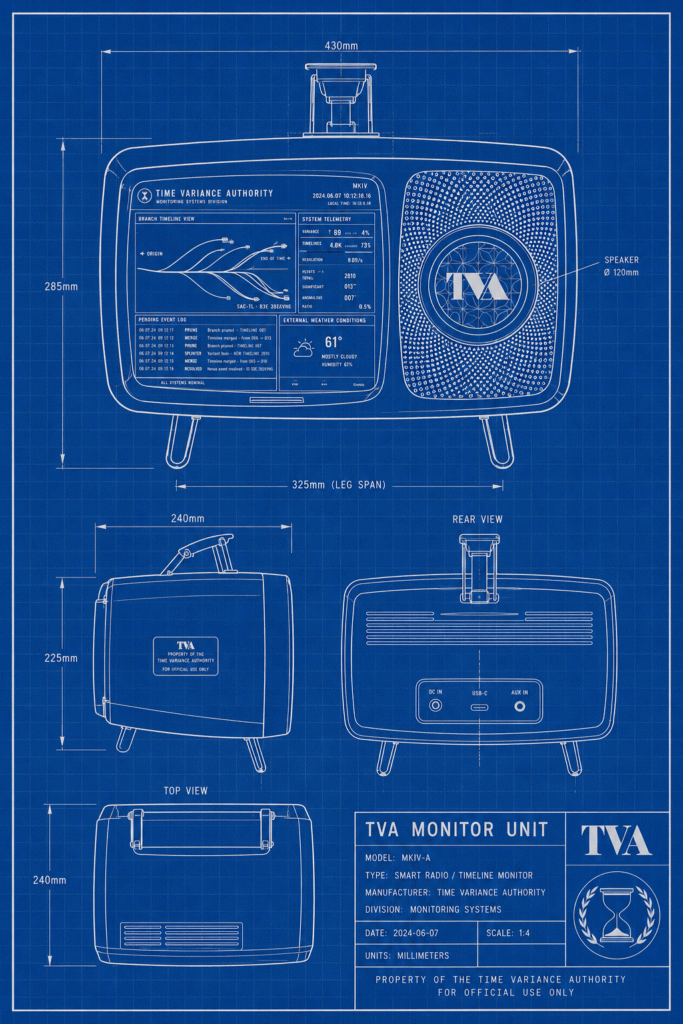
I reimagined it as the VTM-73 Temporal Observation Unit, pairing the vintage enclosure with modern computing hardware, a custom TVA interface, and a secondary circular status display.


The result looks like something that might have been issued to an underfunded TVA field agent several decades ago.


The exterior is deliberately understated. The idea was to make the hardware feel as though it genuinely belonged in the same world as the software.


I’ll give the physical build, hardware choices, and modifications their own detailed project page. For now, here’s the terminal in action.

A TemPad for the Field

Of course, no TVA agent should be expected to manage the timeline from a desk.


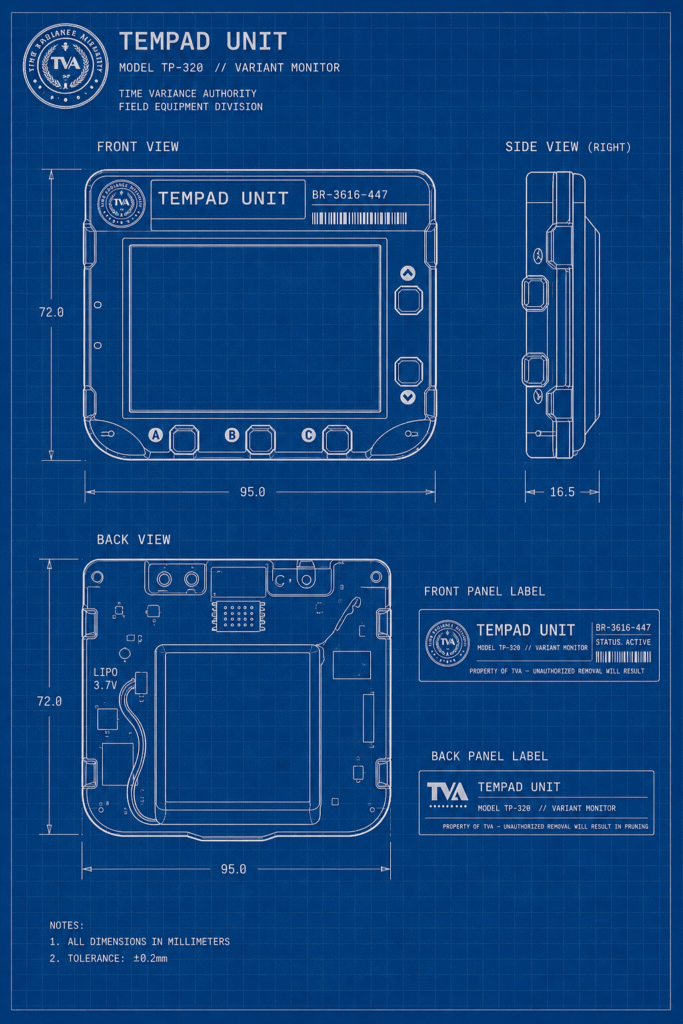
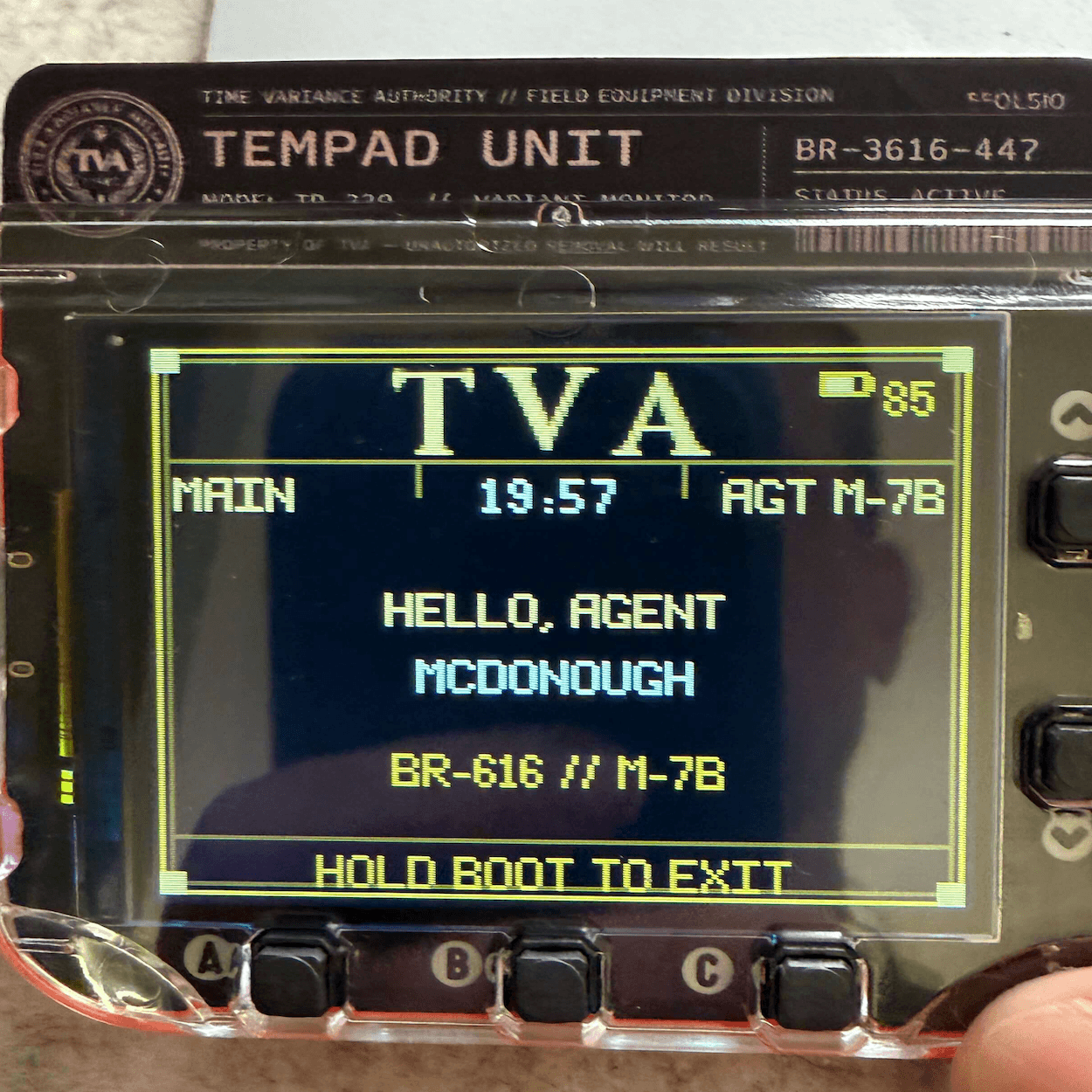
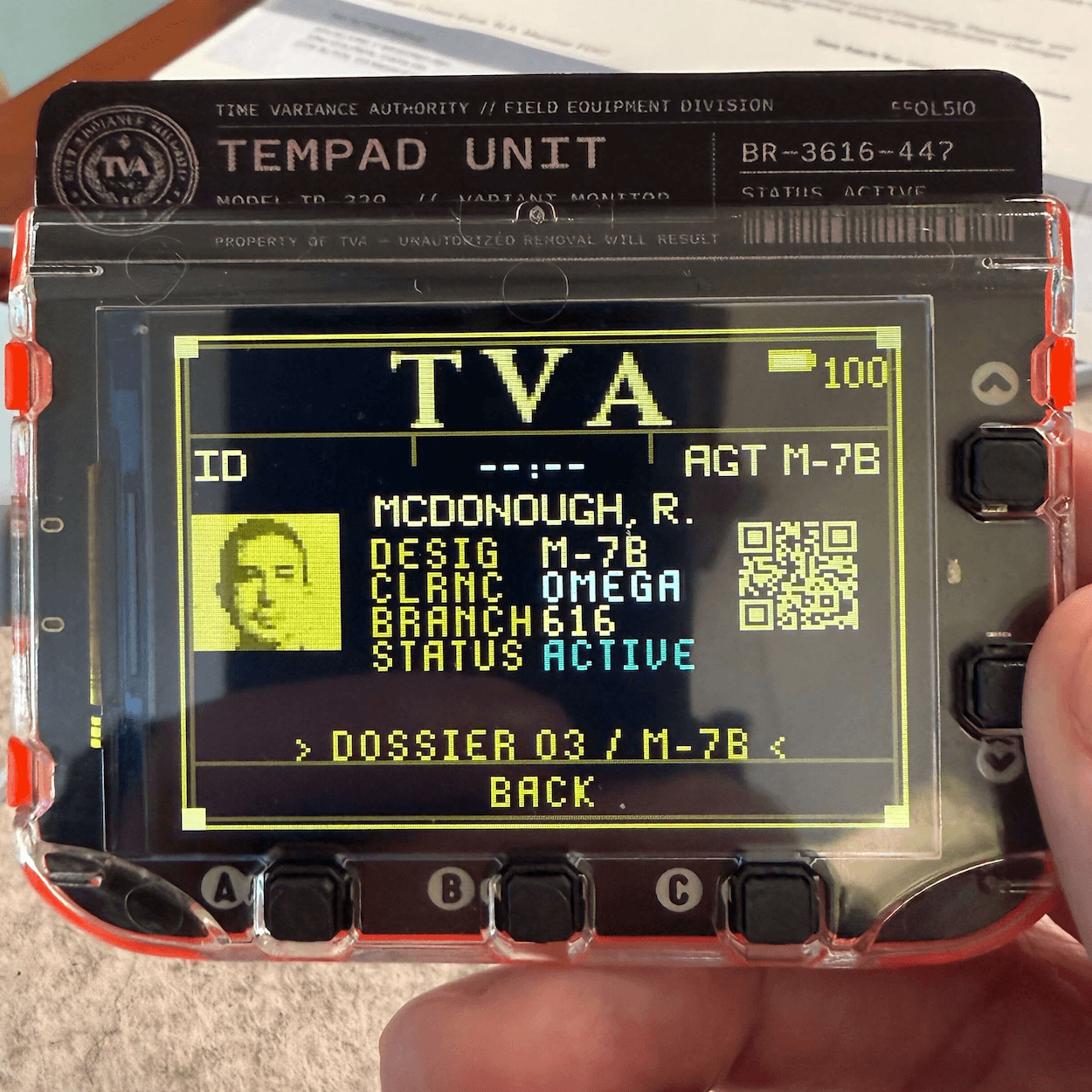
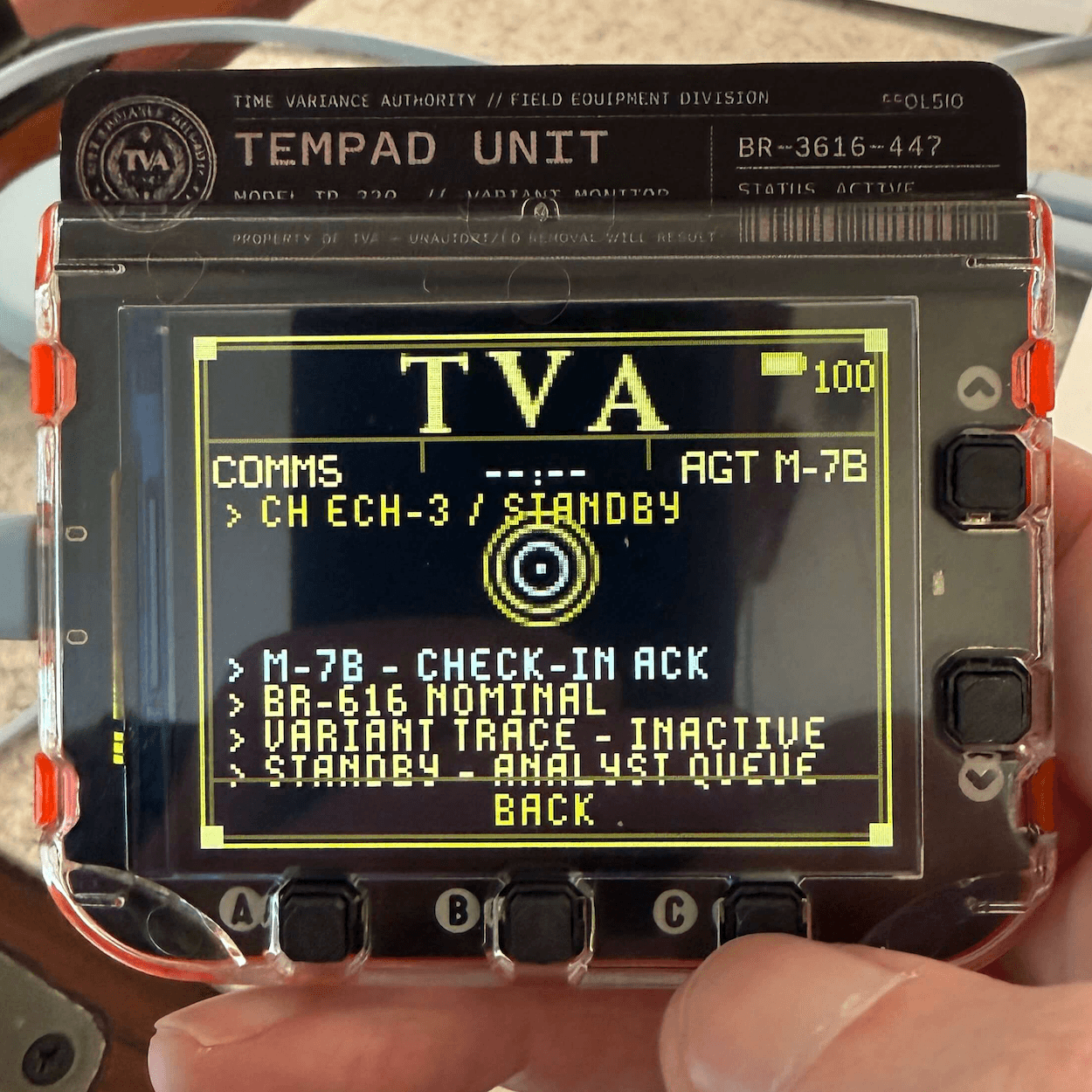
I also created a miniature TemPad companion using a Pimoroni Tufty microcontroller display, extending the fictional hardware ecosystem into a small handheld device.


The TemPad carries the same visual identity as the main terminal, turning an ordinary piece of maker hardware into a little piece of time-travel equipment.


It’s a small detail, but one of my favorite parts of the project. The larger terminal suddenly feels much more convincing when there’s a matching handheld device sitting beside it.

Designing for a World That Doesn’t Exist

The most enjoyable part of this project wasn’t any individual feature. It was creating an internally consistent world.


I wanted every screen, alert, animation, and piece of hardware to look as though it came from the same fictional organization. That meant thinking about everything from typography and interface hierarchy to warning messages, equipment labeling, and the inevitable bureaucratic obsession with tracking absolutely everything.


It’s also a great example of why I enjoy combining older hardware with modern technology. Tools like Lovable make it possible to build elaborate custom interfaces, while inexpensive microcontrollers and small computers bring those interfaces into the physical world.


The technology may be modern, but the experience feels wonderfully obsolete.


And somewhere in the TVA archives, I’m fairly certain there’s a dossier explaining why I wasn’t supposed to build any of this.


For all time. Always.