CFO and co-founder @Accompany, acquired by @Cisco. Turnaround CFO @Ning, sold to Glam Media. Former seed VC. McKinsey trained. @Wharton School and @Haas School of Business.
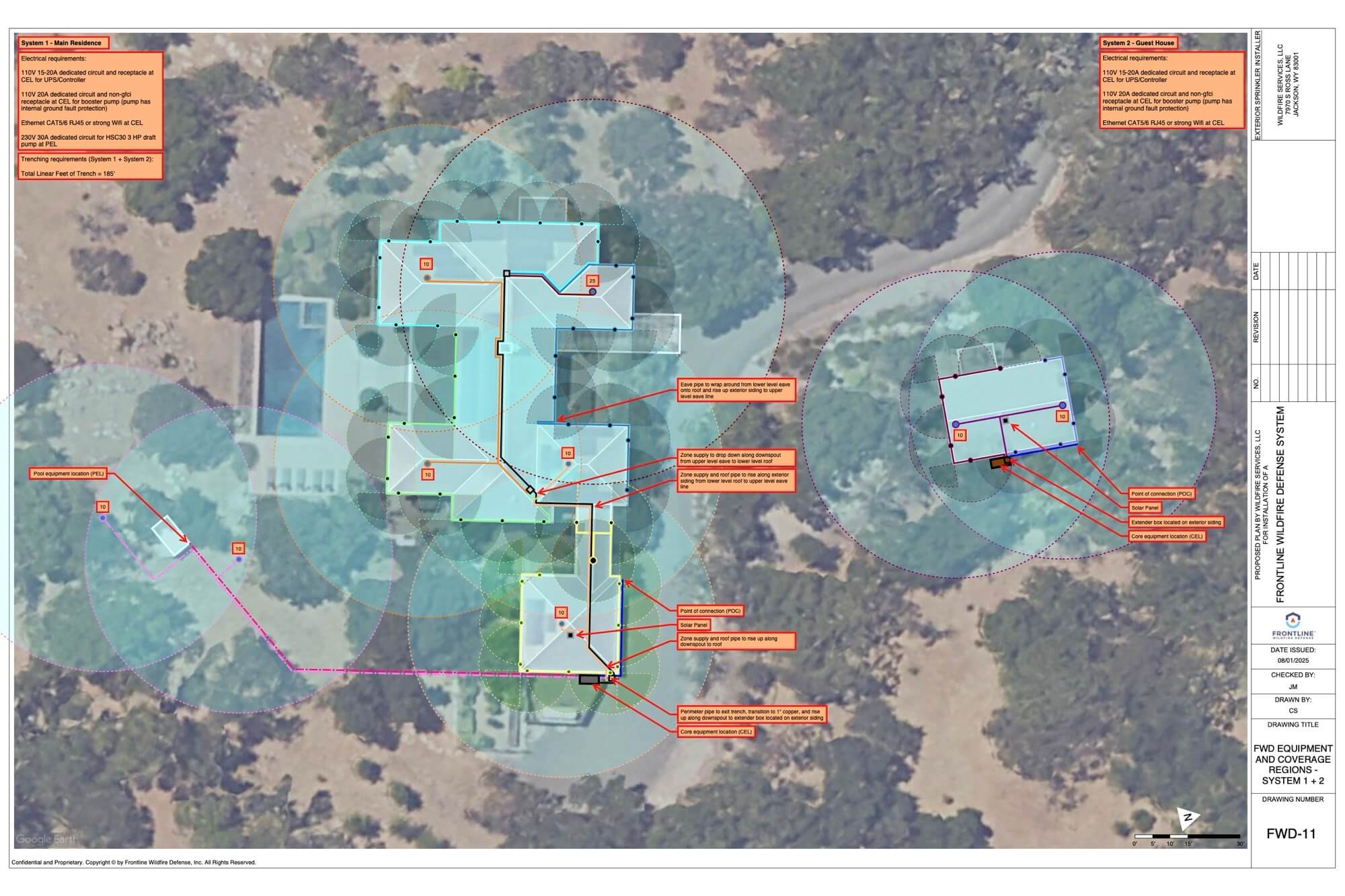
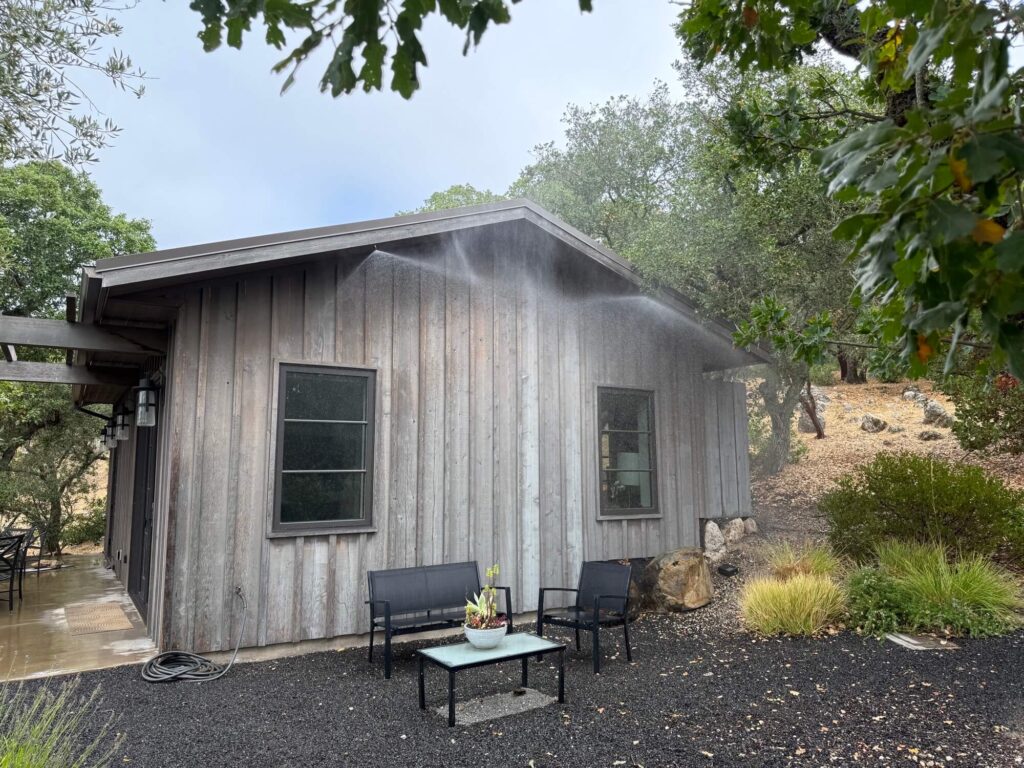
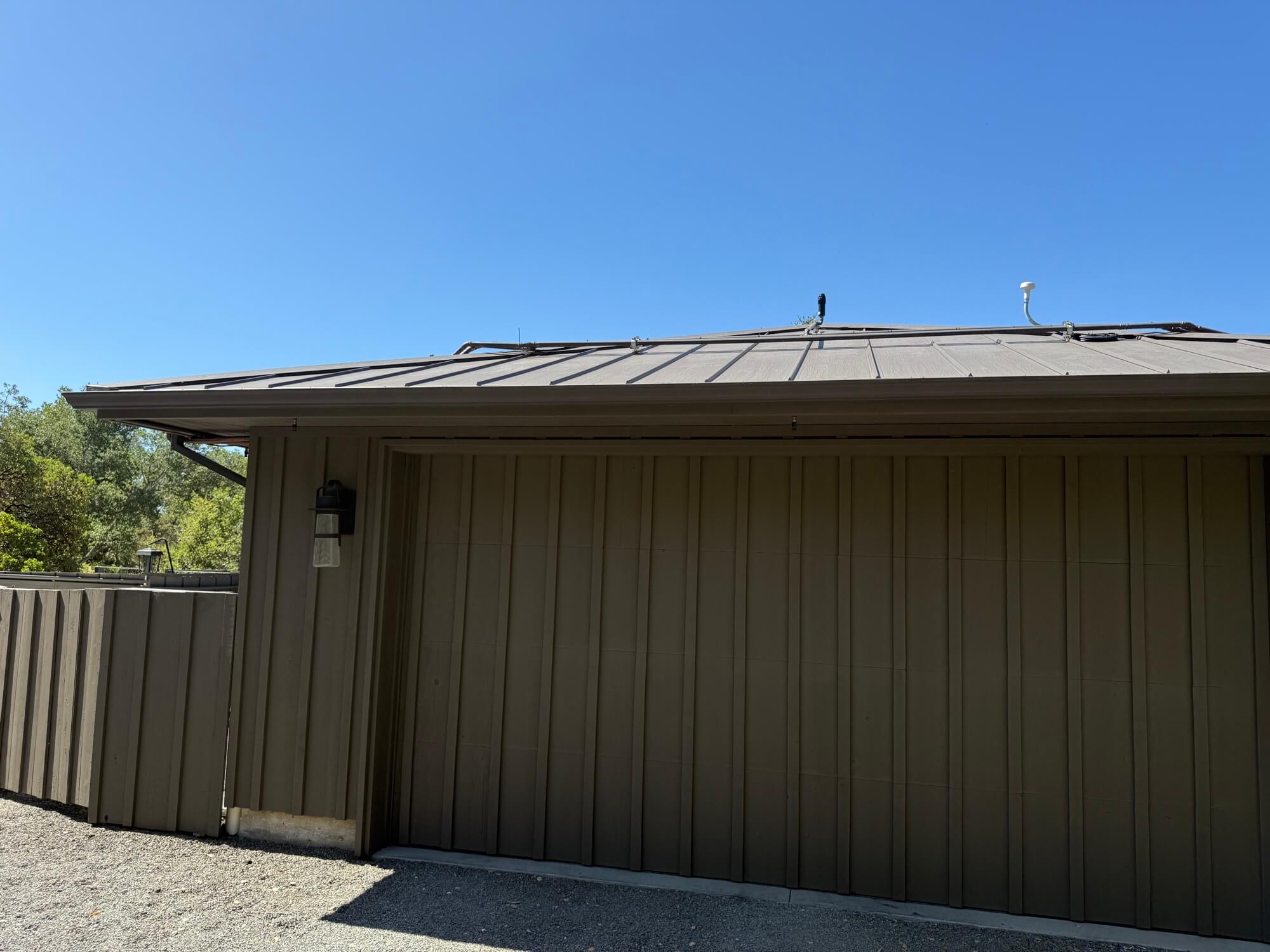
In 2025, I installed systems covering both the main house (44 eave sprinklers, 7 property heads) and our guest house (10 eaves, 2 property sprays). Both with equipment and fire retardant foam.
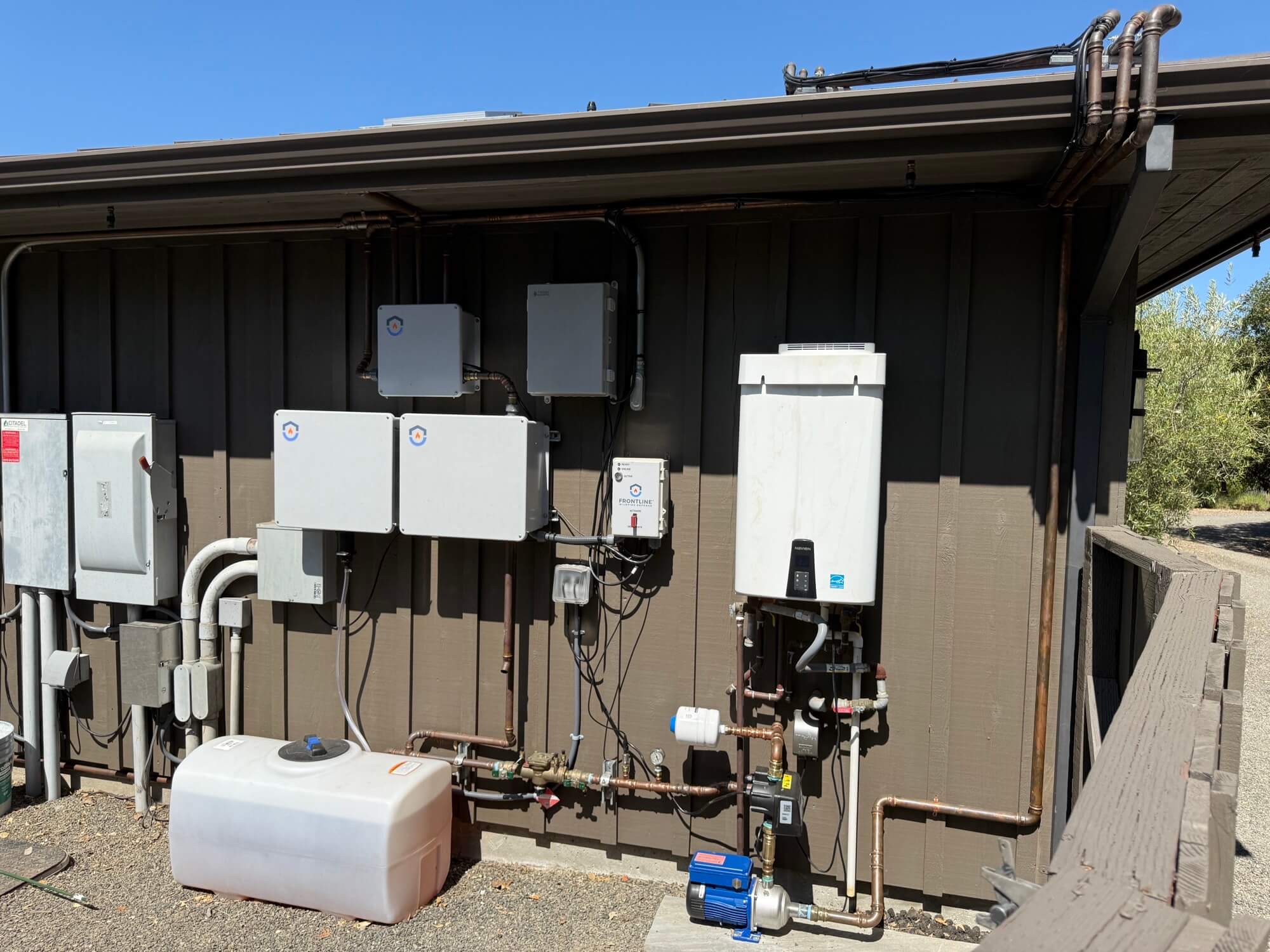
Frontline Wildfire
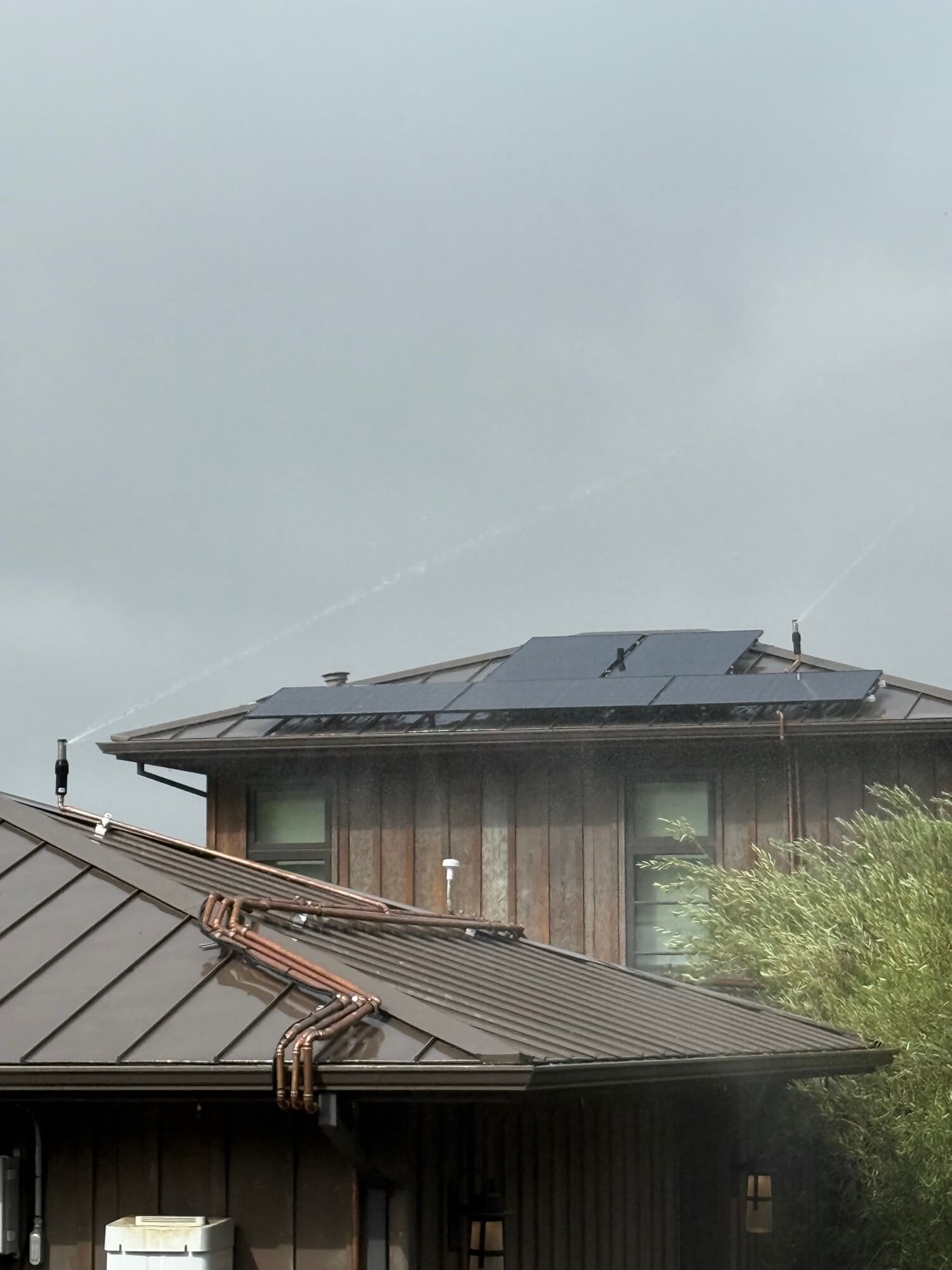
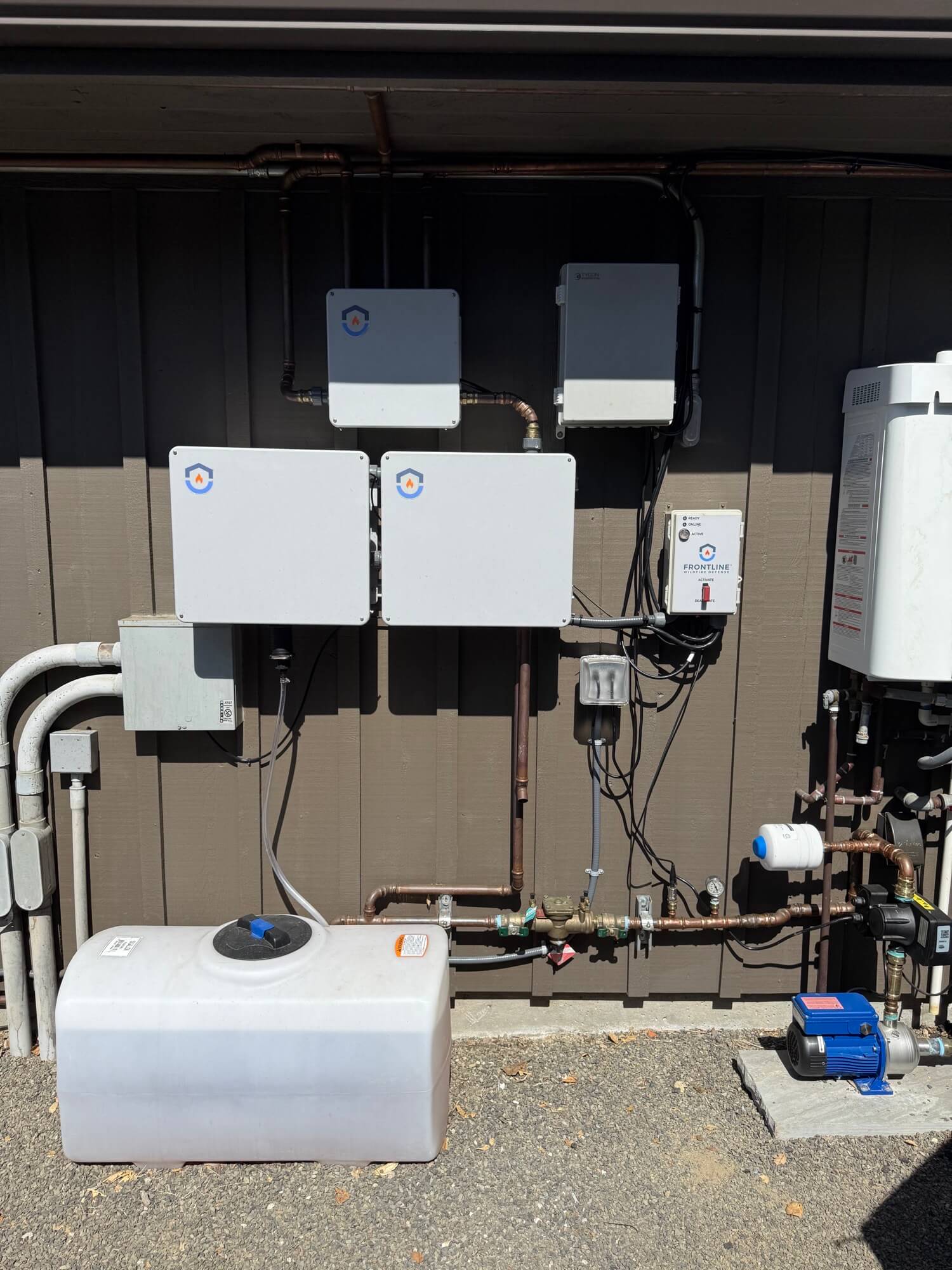
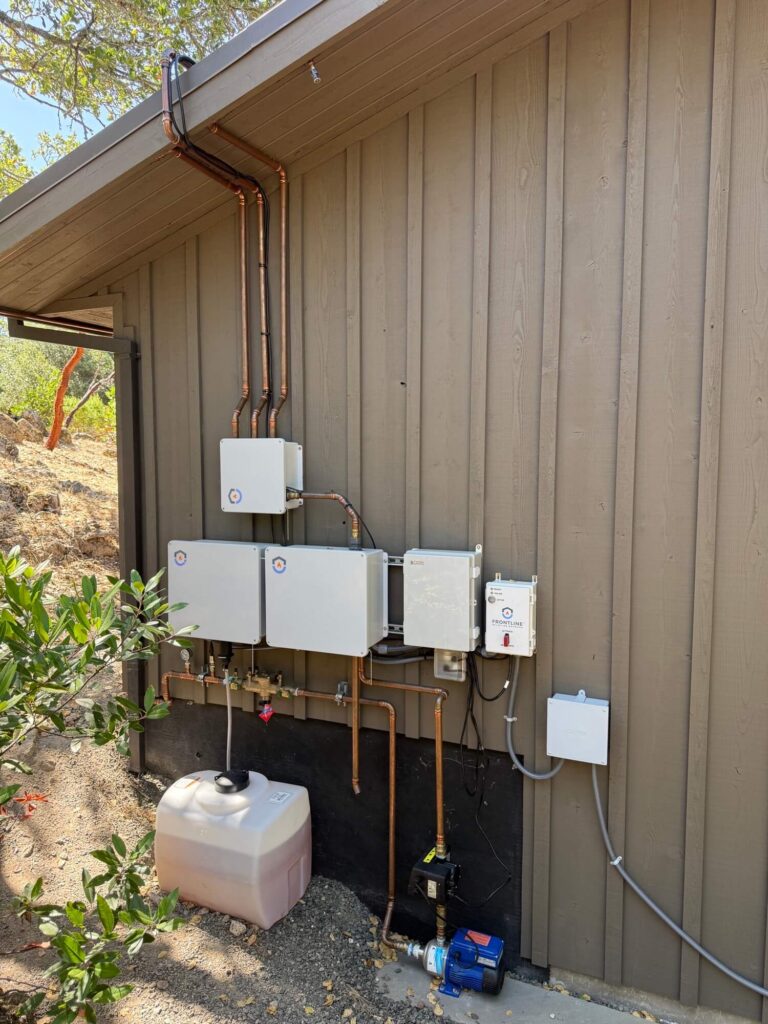
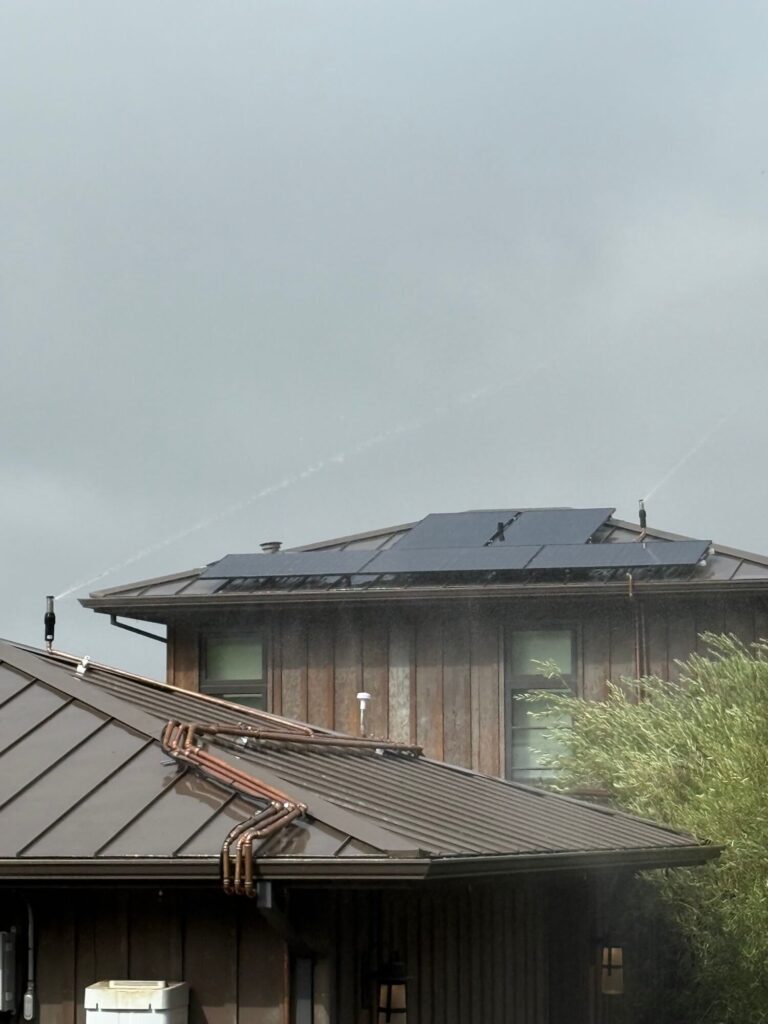
Main House: 44 sprinklers around the main house eaves with 7 property spray heads, plus tanks of fire retardant foam.
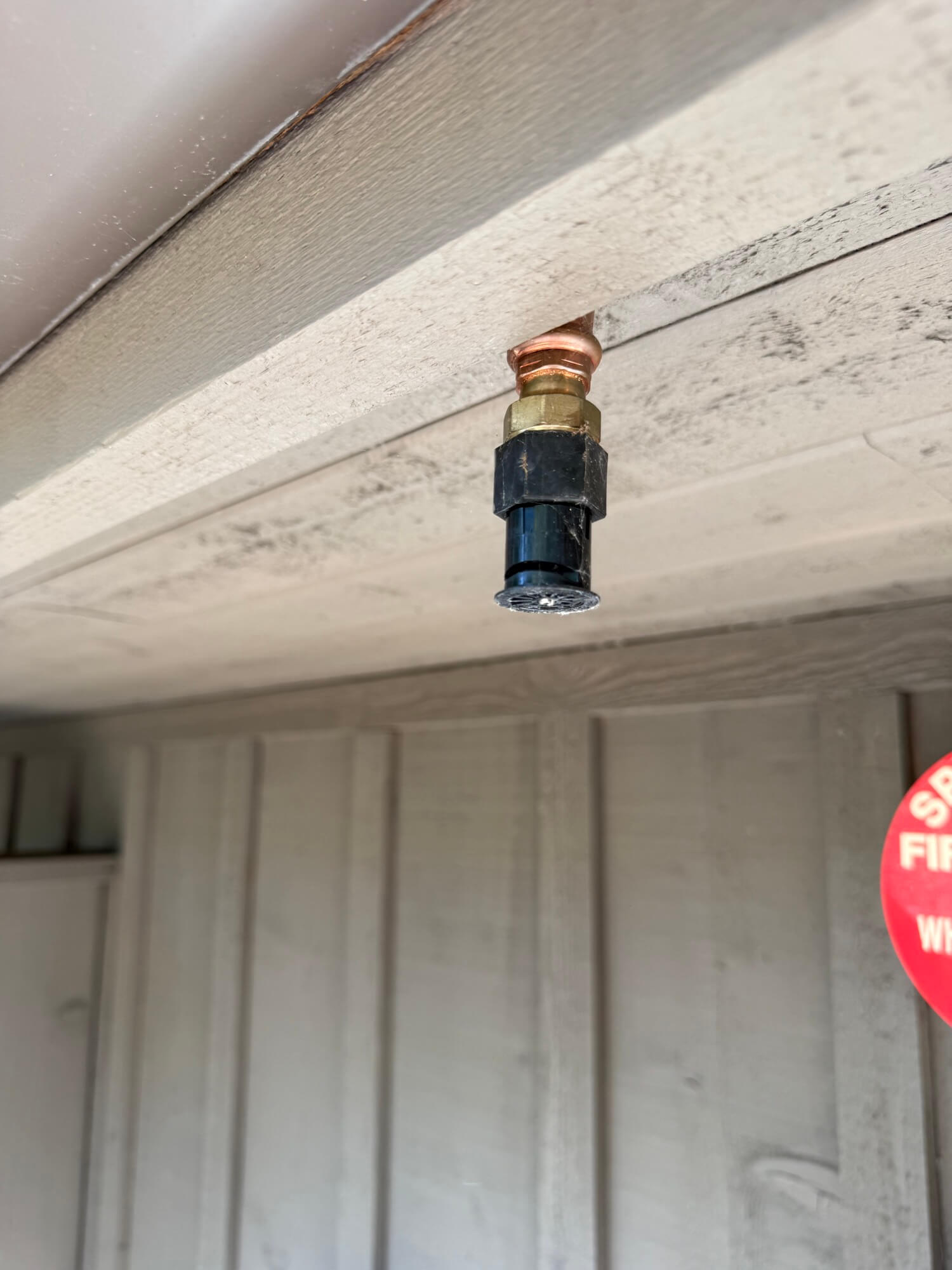
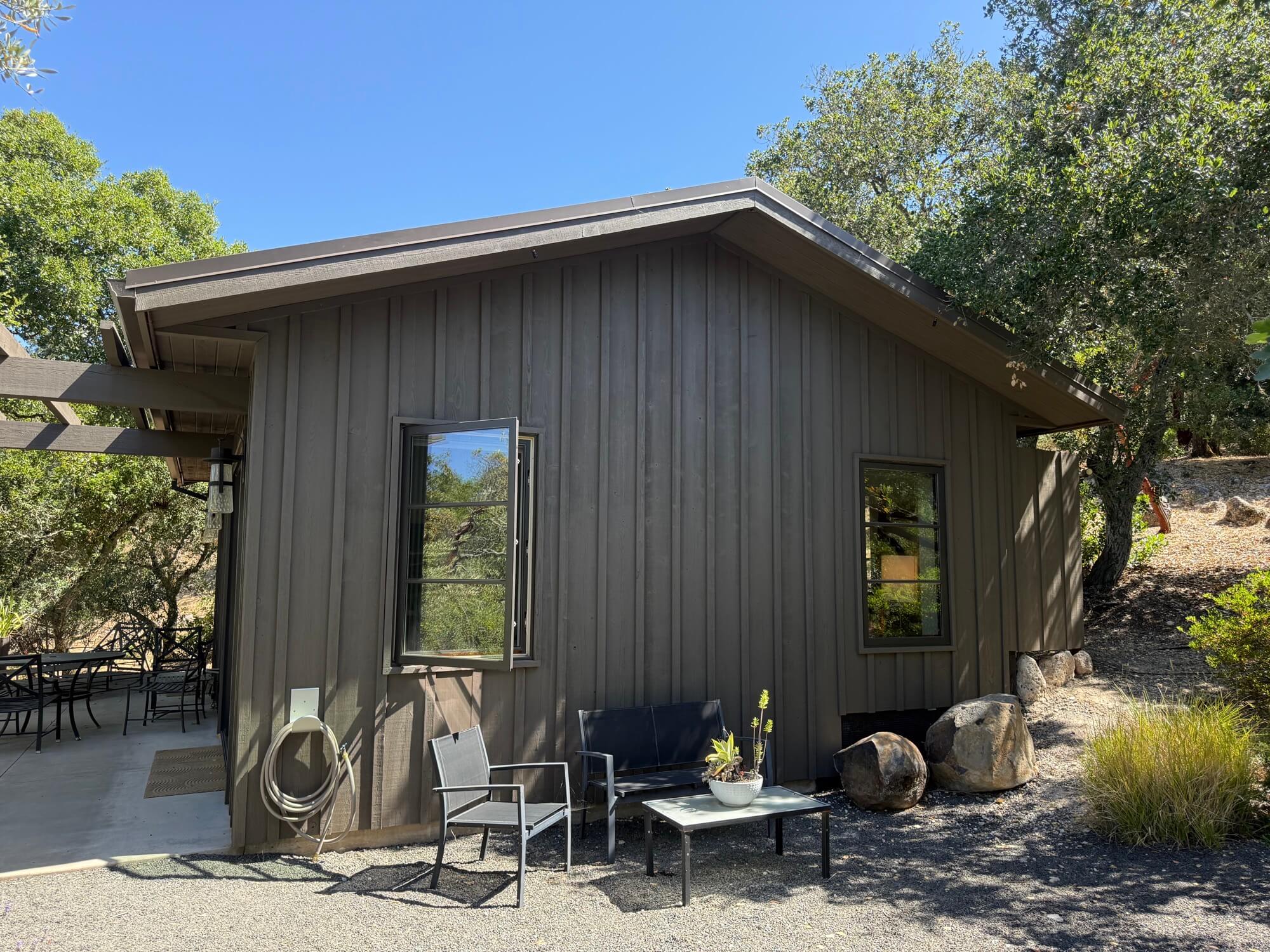
Guest House: 10 sprinklers, 2 property heads.
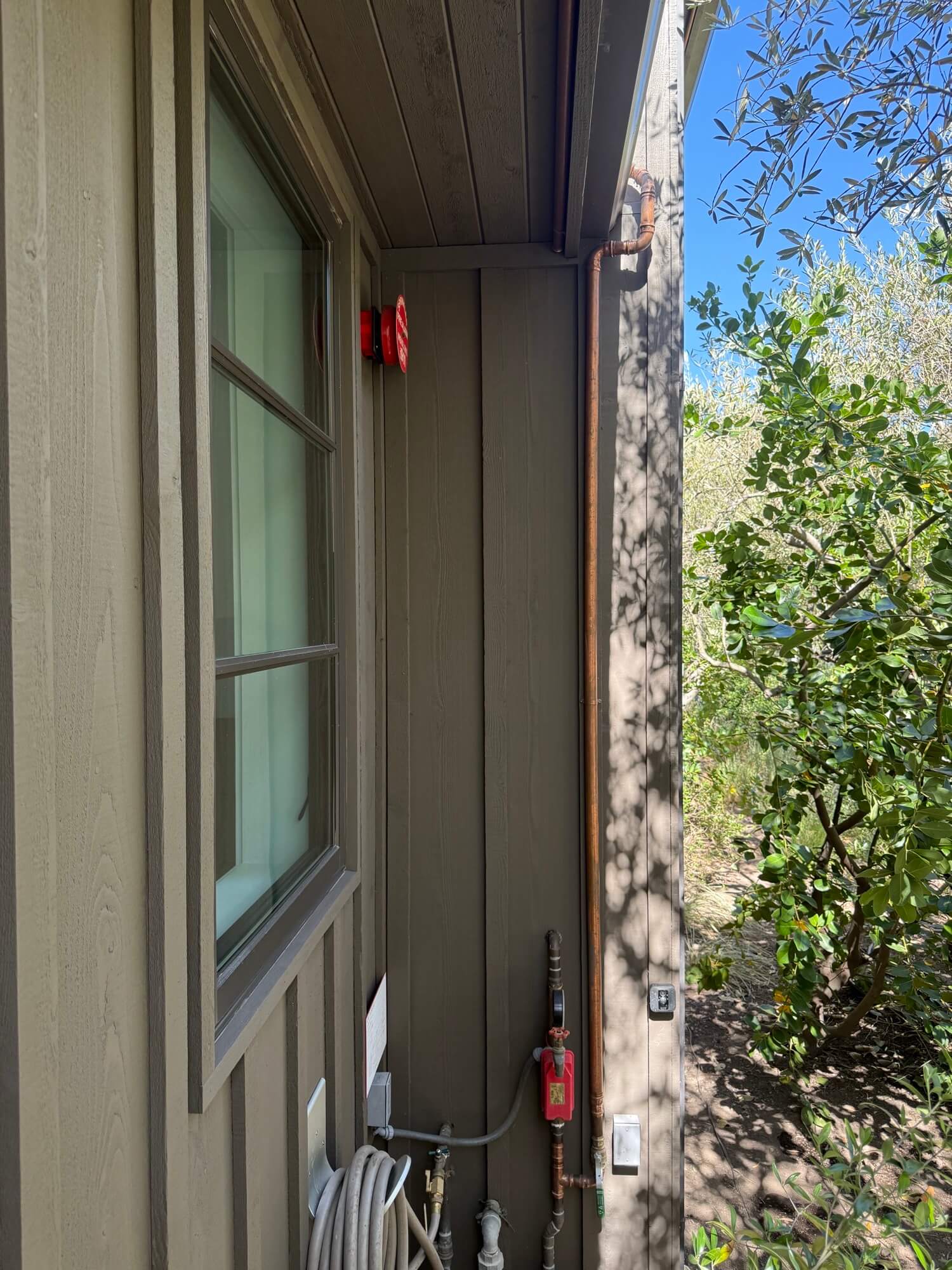
Both homes have their own controllers with comms redundancy. Main house also has Tesla Powerwalls for complete backup.
TL;DR
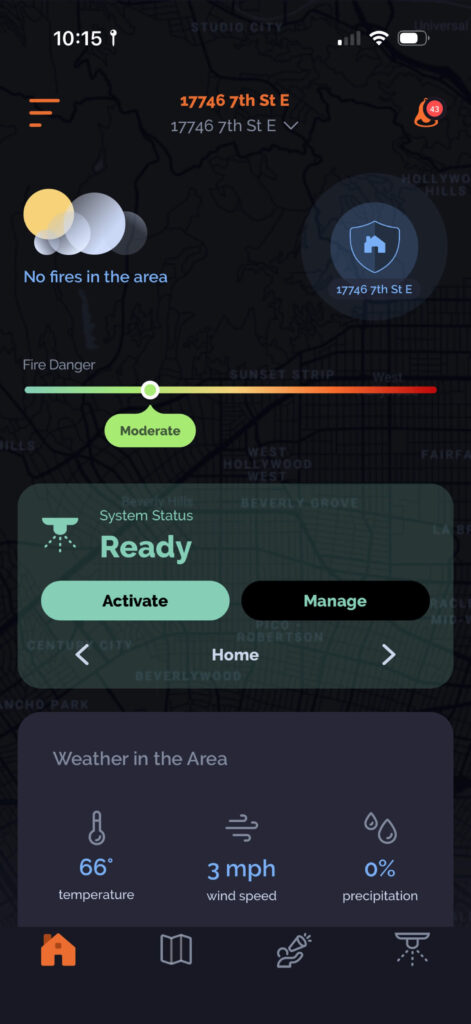
We are pretty thrilled with the outcome of the system. We opted for the monitoring and maintenance service, so we are able to work out any kinks in the stem. Team was very professional and worked with me to get the best aesthetic outcome. It netted out to be about the same cost as 2 years of insurance premiums from the only carrier I could find up here. Since I was worried about that firm failing to make good on claims, I opted to go proactive.
System Blends In With the Home
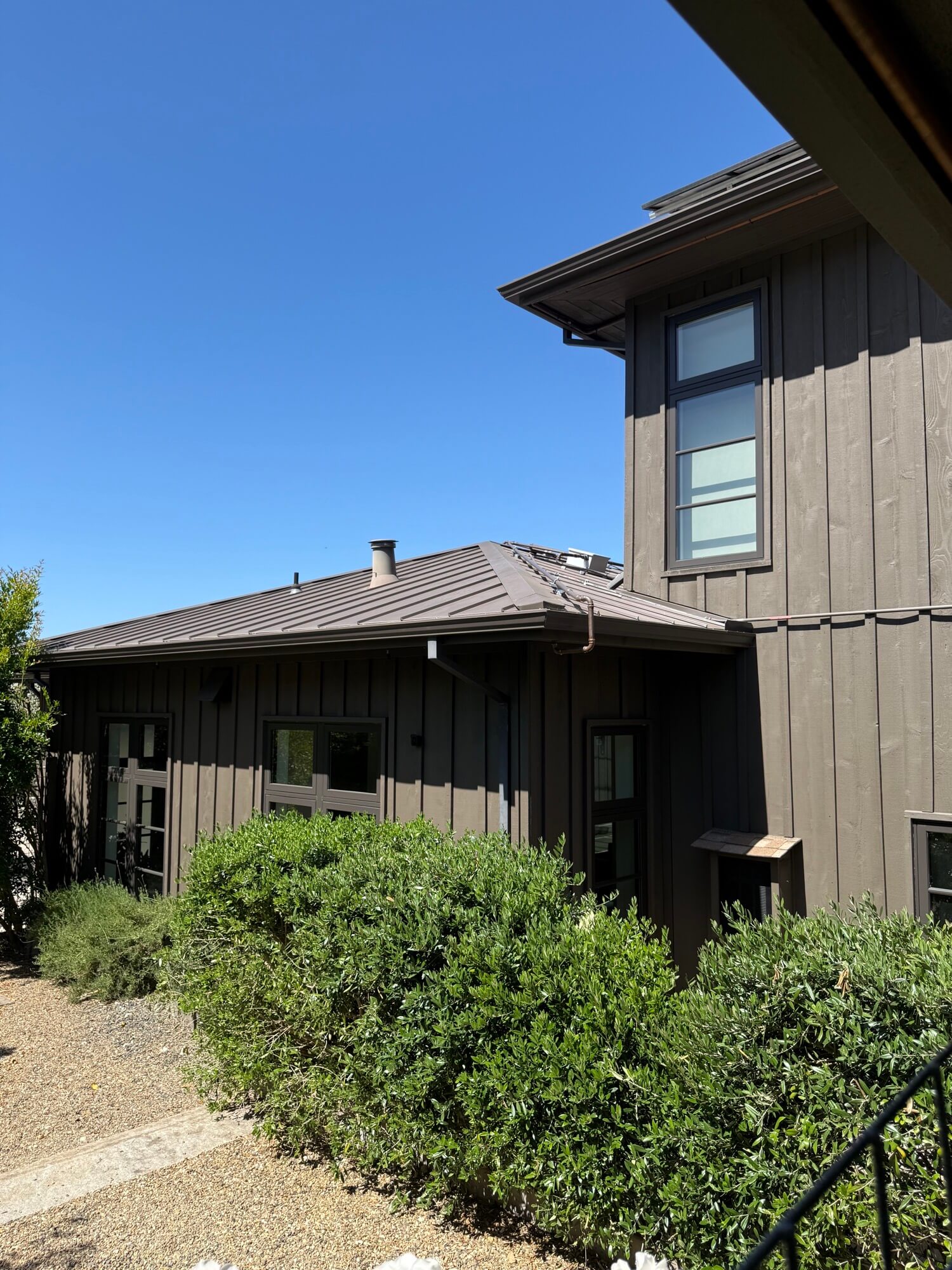
The system really blends in well with the aesthetic of the home. The copper piping is getting a great patina and doesn’t stand out. The solar piping is far more prominent. Also, love that the heads are mostly able to hug the inner edge of the eaves.
Most Challenging Part of the Entire Project
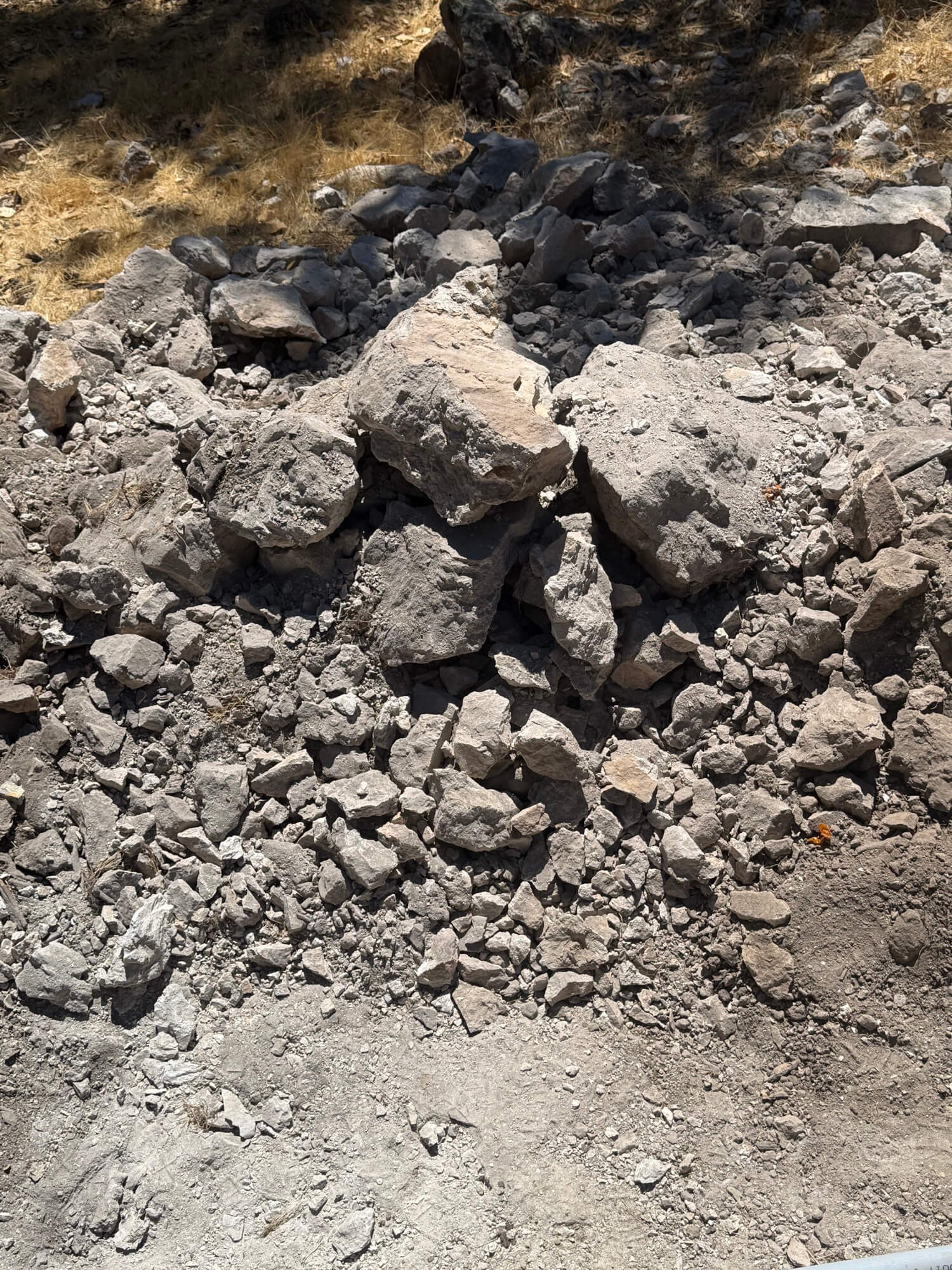
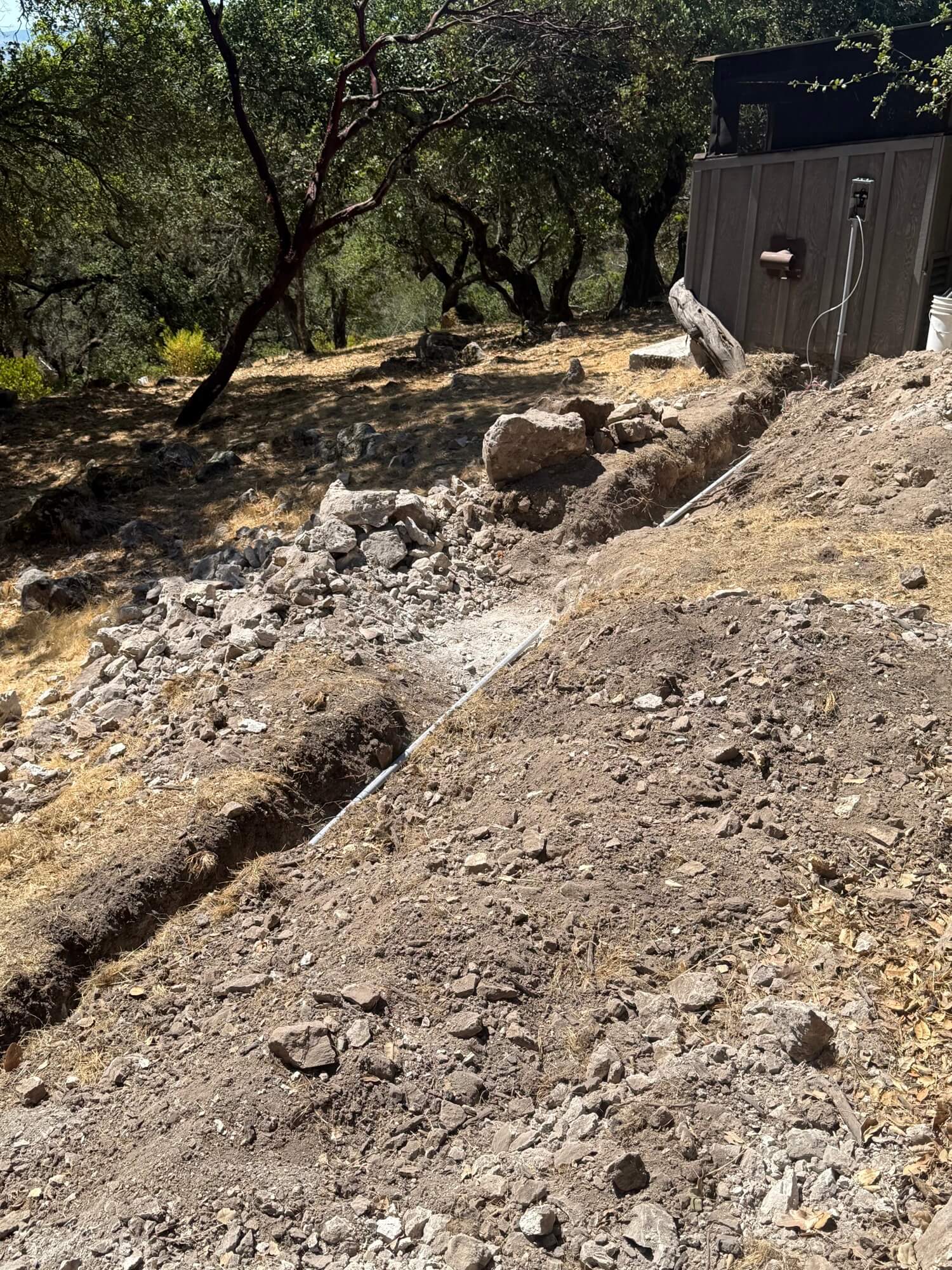
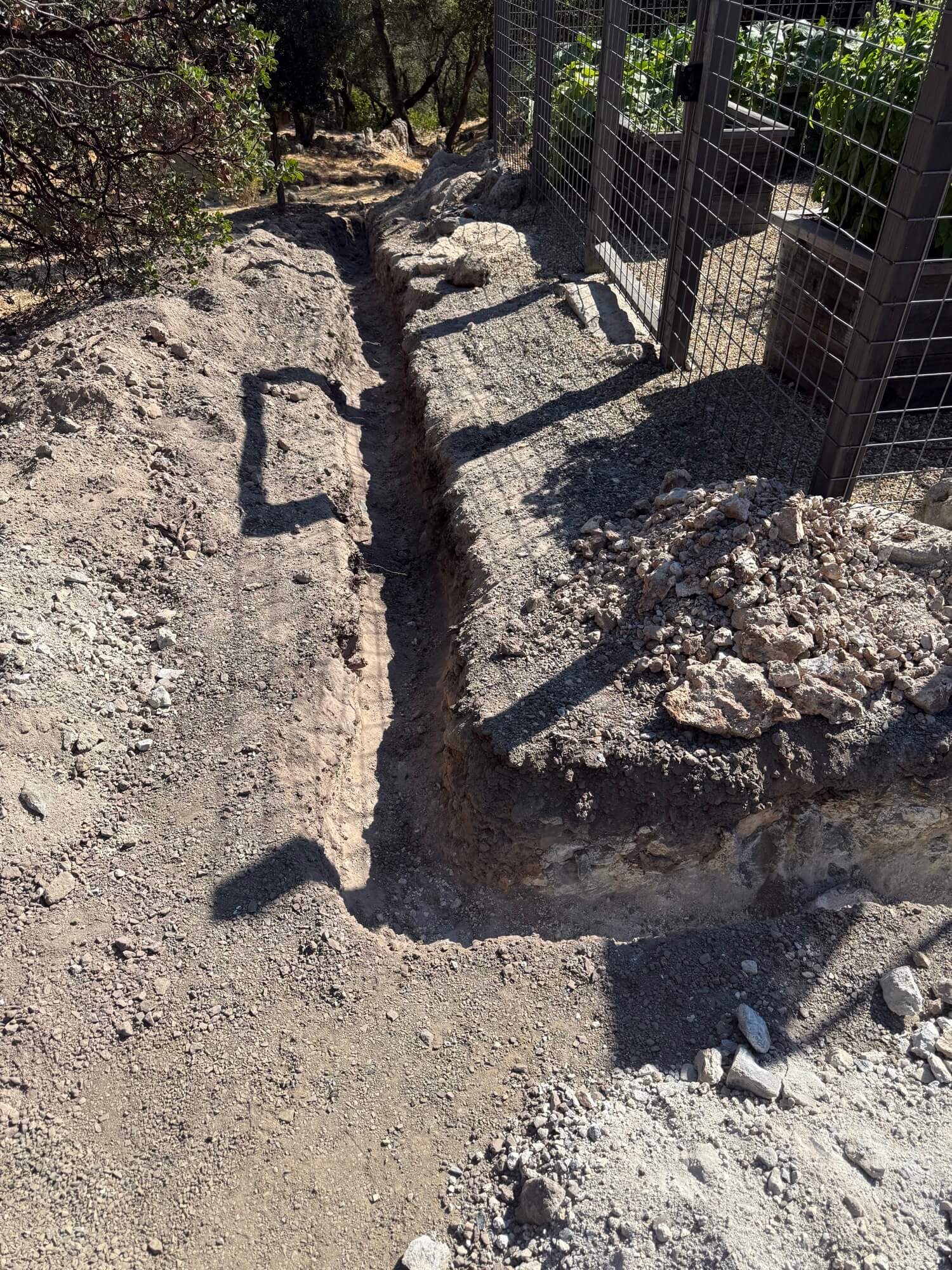
Strangely, the hardest part of the project was getting the trenching completed and hooking up the booster pump in the pool equipment room. On the way, we discovered some massive boulders we had to jackhammer through. On the equipment side, it took some creativity to get the valve in place in order bypass the equipment. That said, the only requirements that required 3rd party venders were:
Electrician: adding new circuits/outlets (need non-GFCI since you want it to keep trying to provide power, even when wet, during a fire) and a dedicated 240V line at the pool equipment for the failover pump to be able to draw water from the pool.
Plumbing: adding a connection at the pool drain to bypass all pool equipment during a fire (so water can be drawn directly).
Trenching: We had to avoid all the underground lines in the utility area and create a good path for both the water and the power to the pool equipment pad.