The next step was to create the software.
With ChatGPT helping develop the visual concepts and Lovable turning them into a working prototype, I started building a custom Star Blazers console.
The interface takes its cues from 1970s Japanese science fiction: deep navy backgrounds, glowing cyan schematics, amber instrumentation, green radar displays, and just enough retro-futuristic typography to suggest that somebody at Earth Defense Force headquarters designed it.
There are four primary experiences.
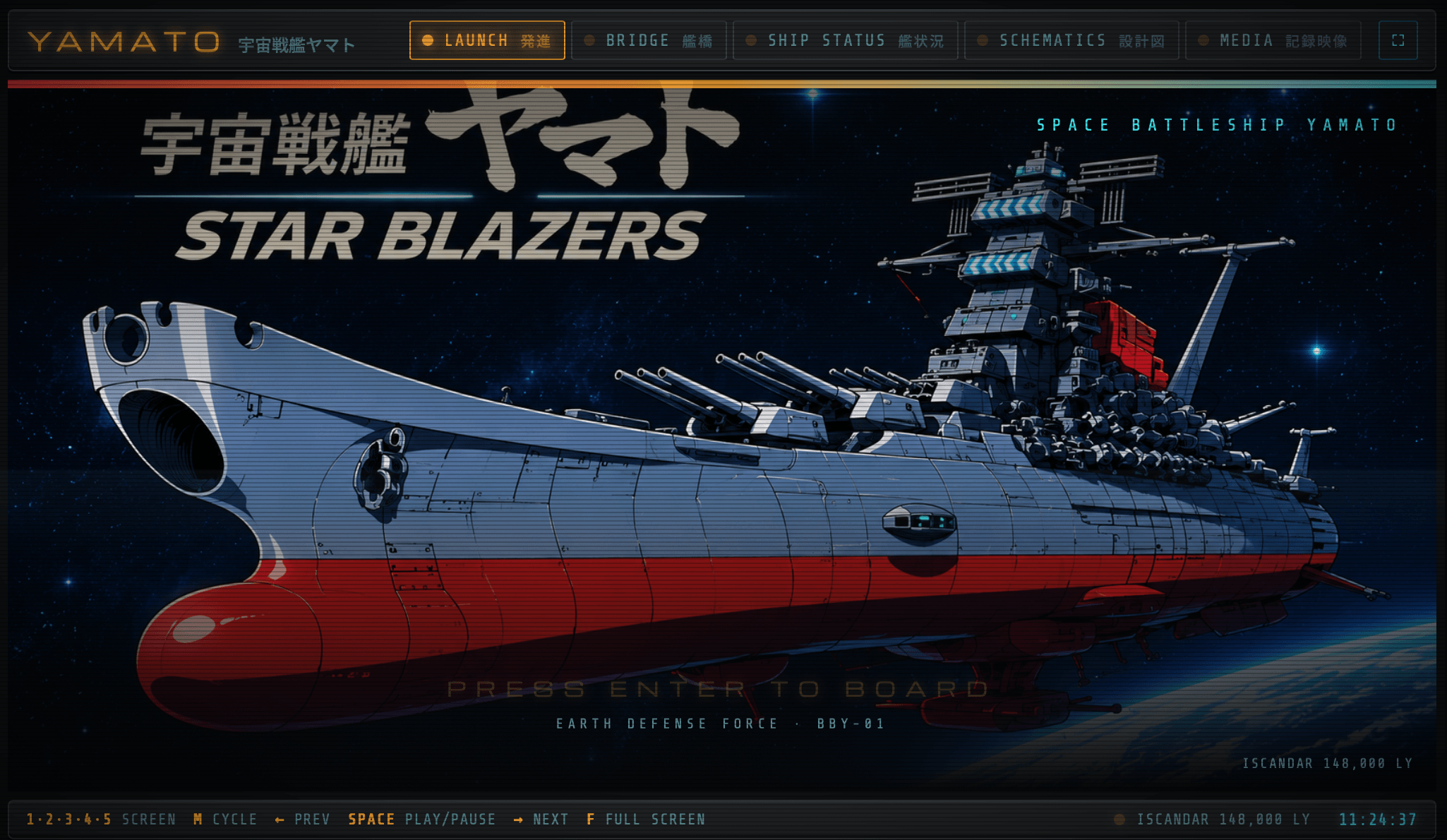
The Launch Screen
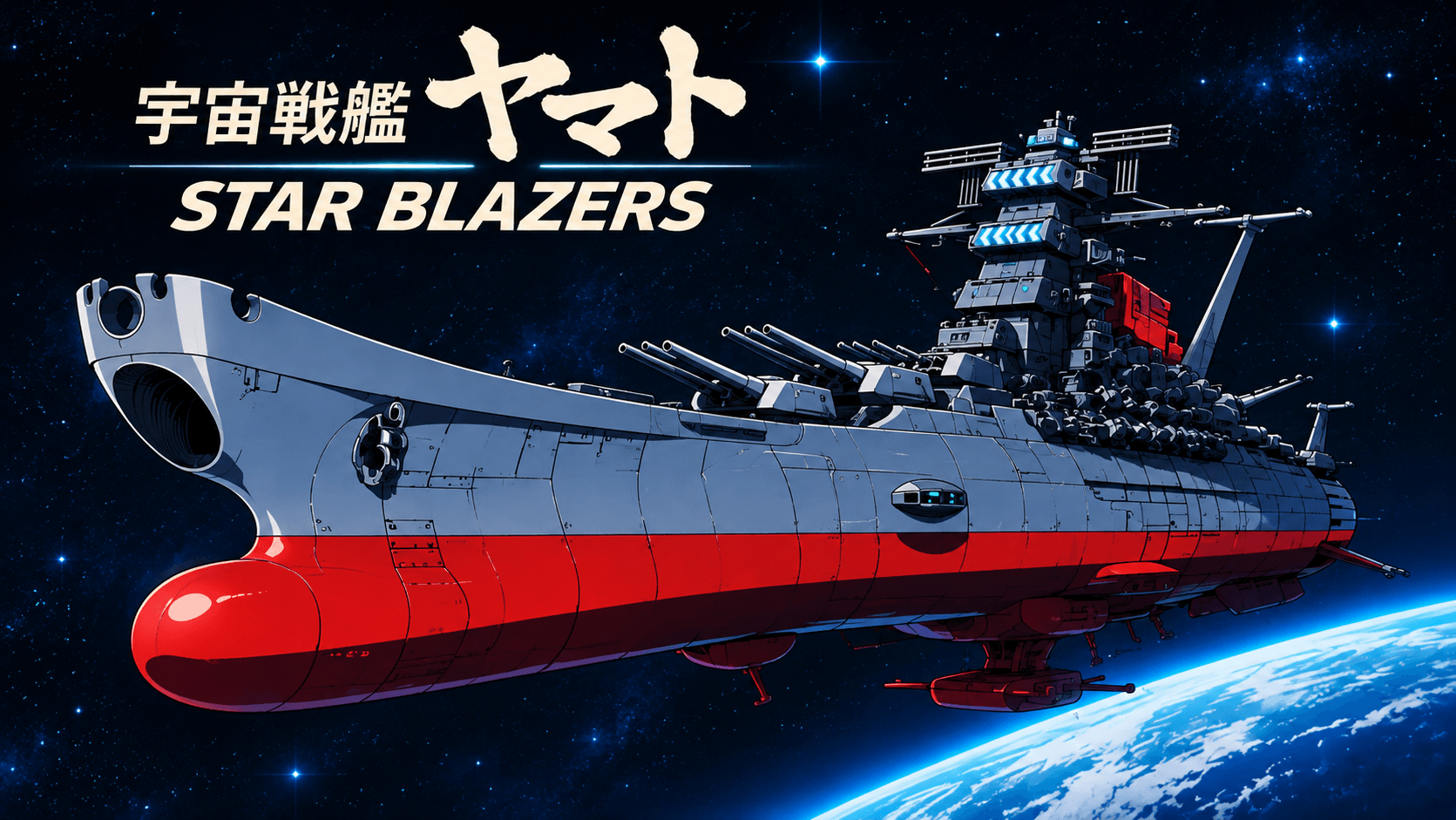
A cinematic portrait of the Yamato against Earth, with its original Japanese title and the familiar Star Blazers name. A little motion in the stars and lighting gives it life without turning it into an obnoxious screensaver.
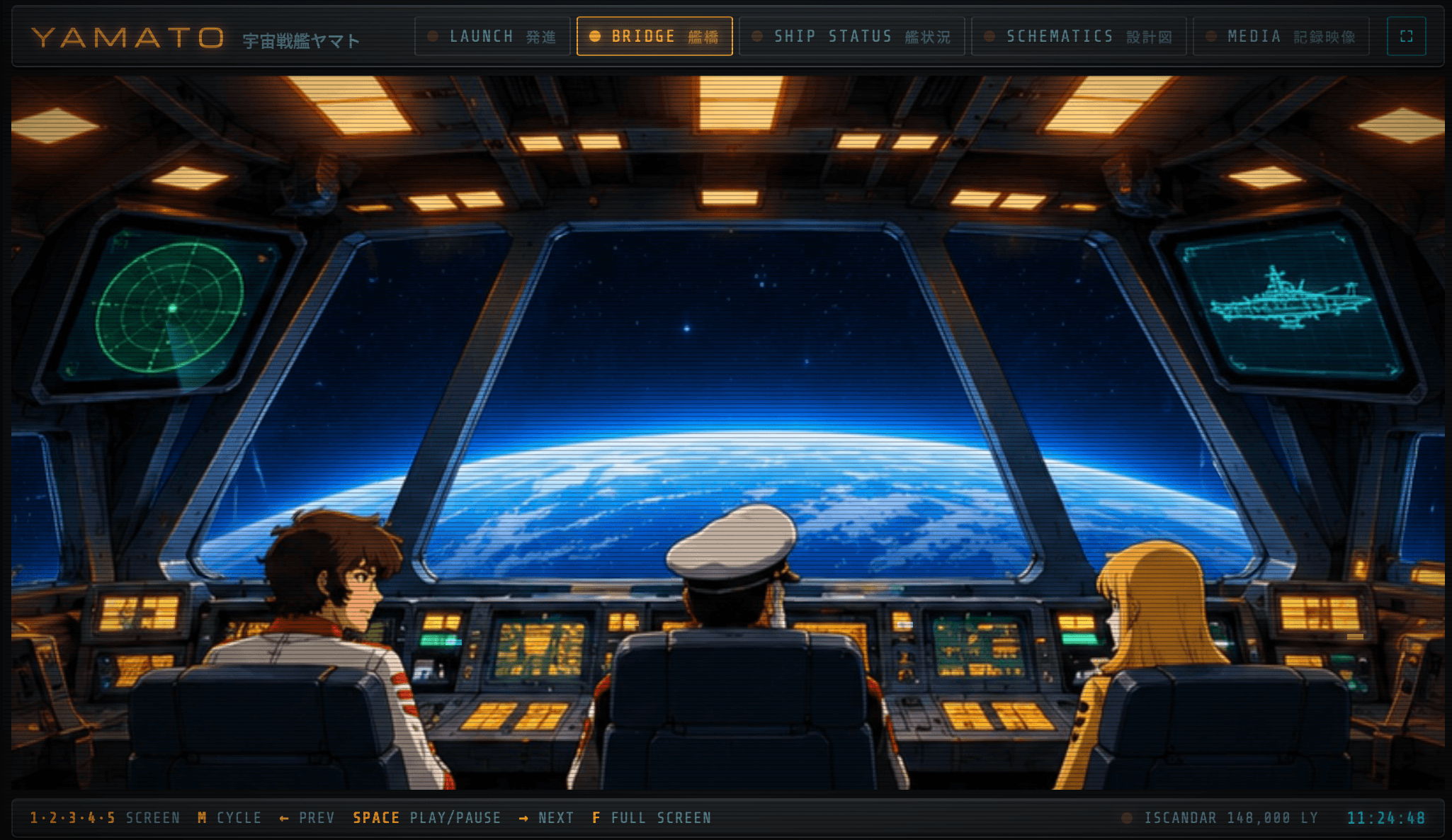
The Living Bridge
This is my favorite idea.
Imagine looking over the shoulders of the bridge crew as they gaze out toward Earth. The instruments quietly blink. A radar screen sweeps. The overhead lighting changes almost imperceptibly.
Every so often, one of the characters turns their head or shifts in a chair.
Nothing dramatic happens. That’s the beauty of it.
Rather than watching a short video loop, the goal is to create a scene that feels inhabited—a tiny window into a spacecraft going about its business.
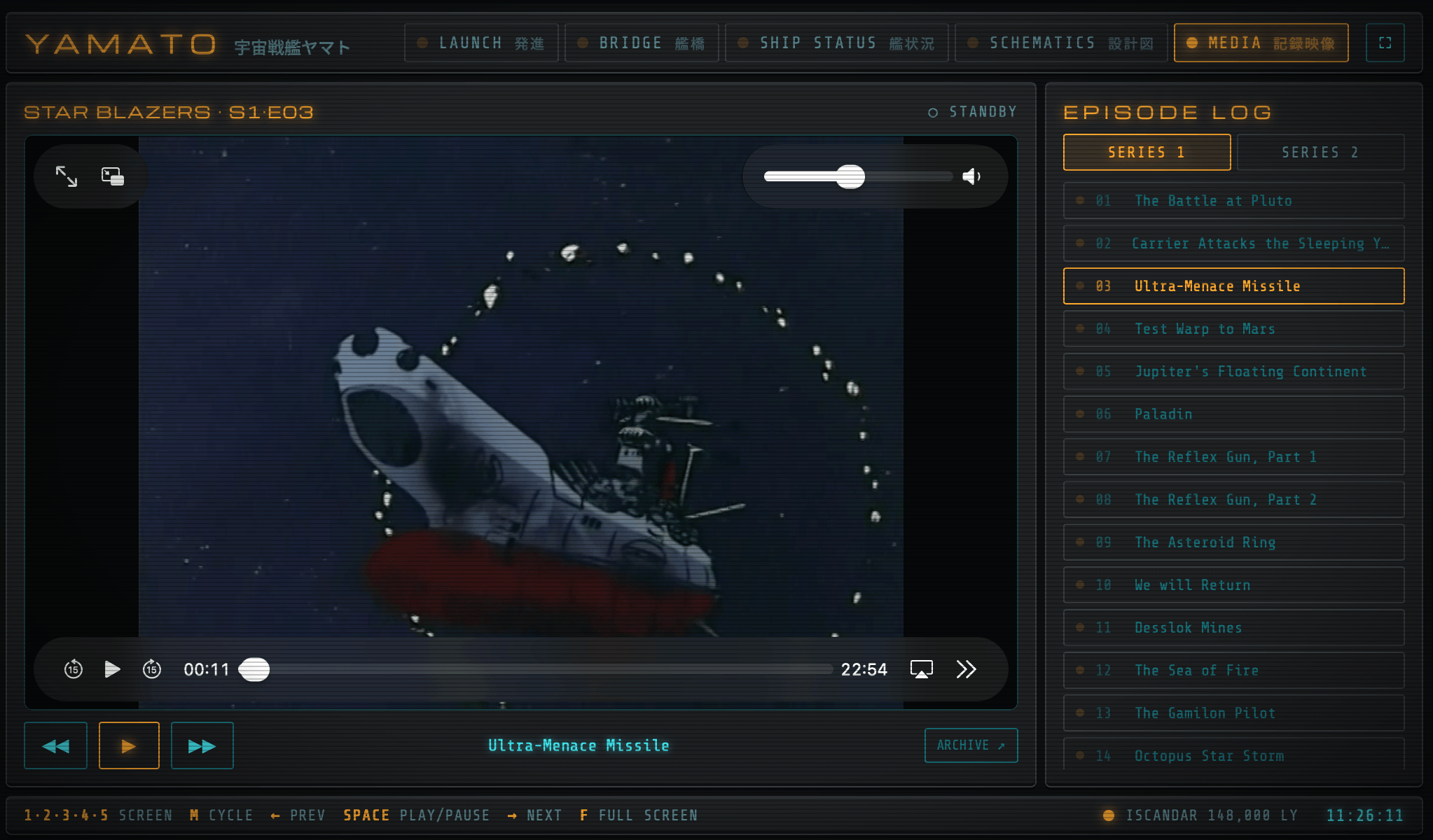
The Episode Archive
I also found a source for the original Star Blazers episodes, which opens up the possibility of keeping the video files locally on the tablet.
The app can then become a self-contained episode library, with thumbnails, descriptions, playback history, and physical controls.
No streaming menus. No recommendations for something completely unrelated. Just the Argo and its mission to Iscandar.
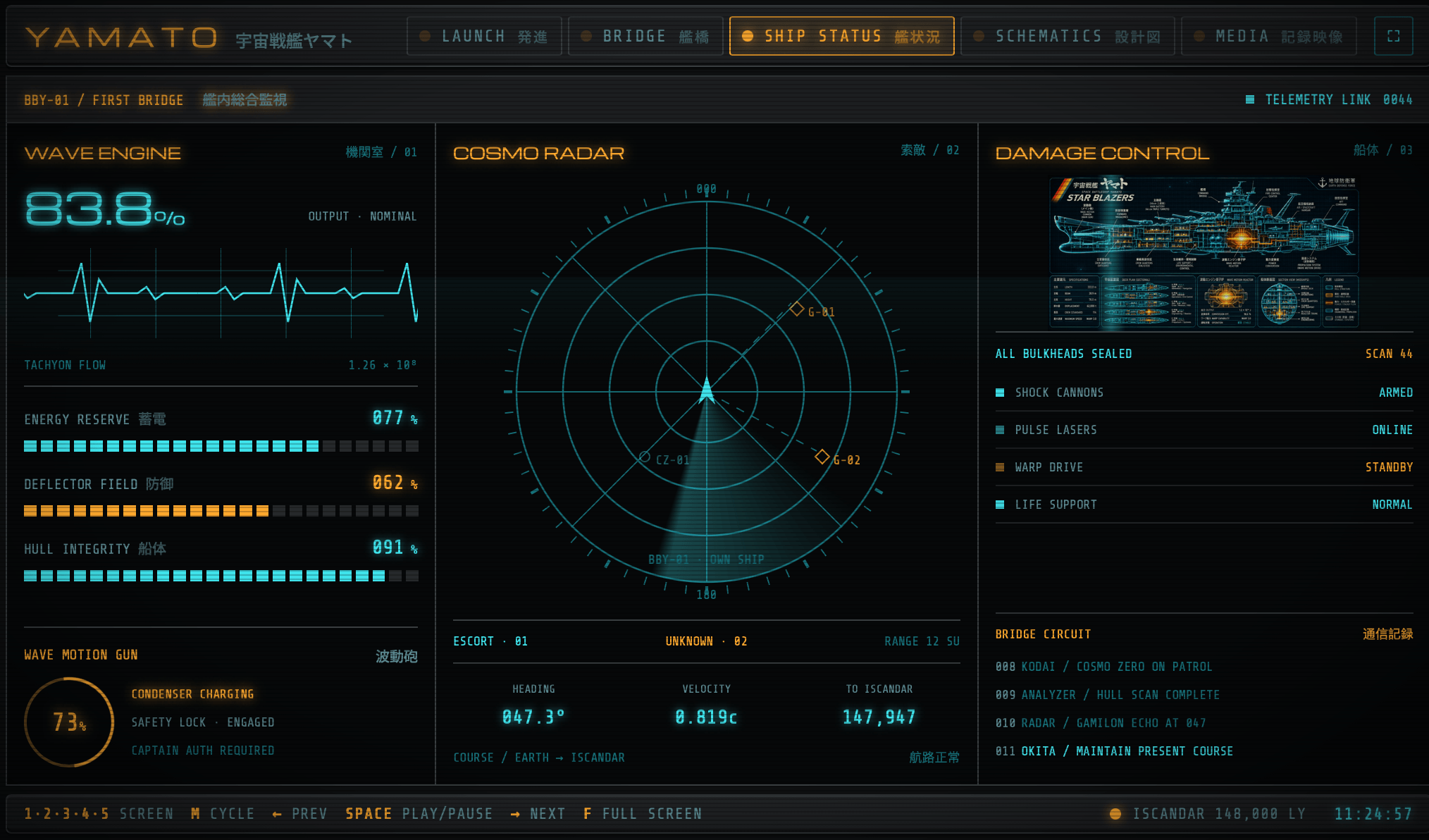
Ship Systems & Schematic
And, of course, a proper battleship needs diagnostics.
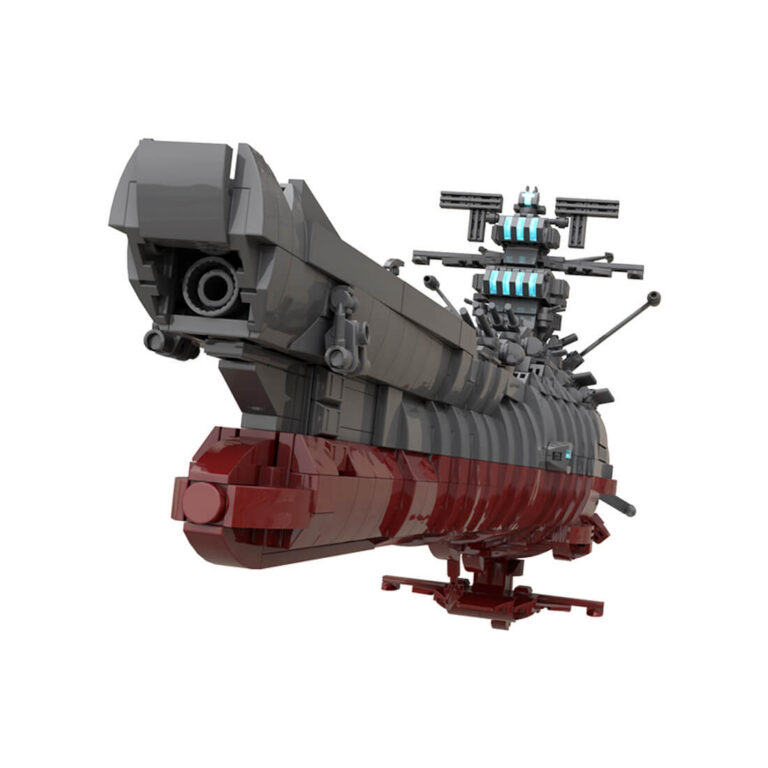
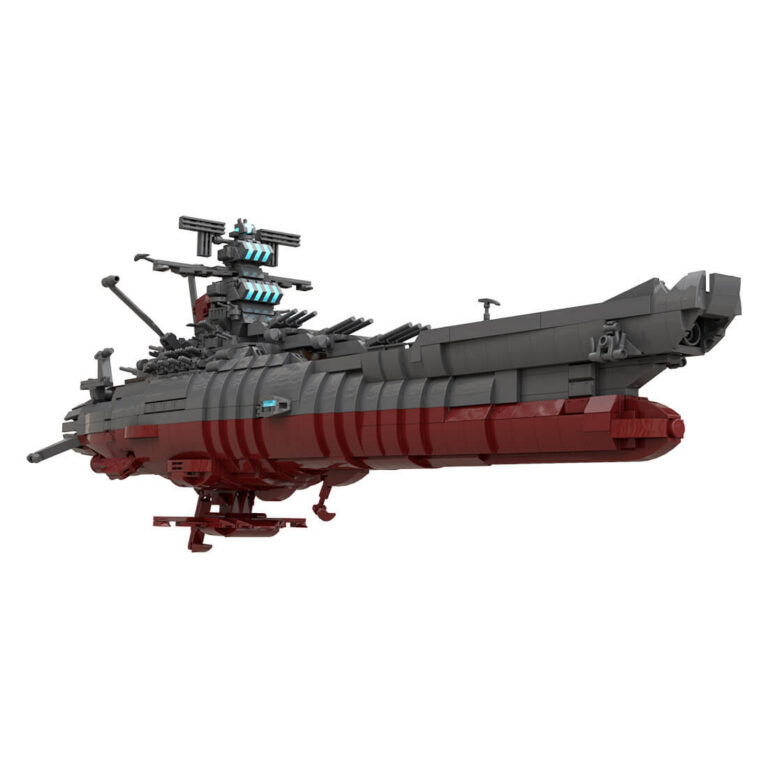
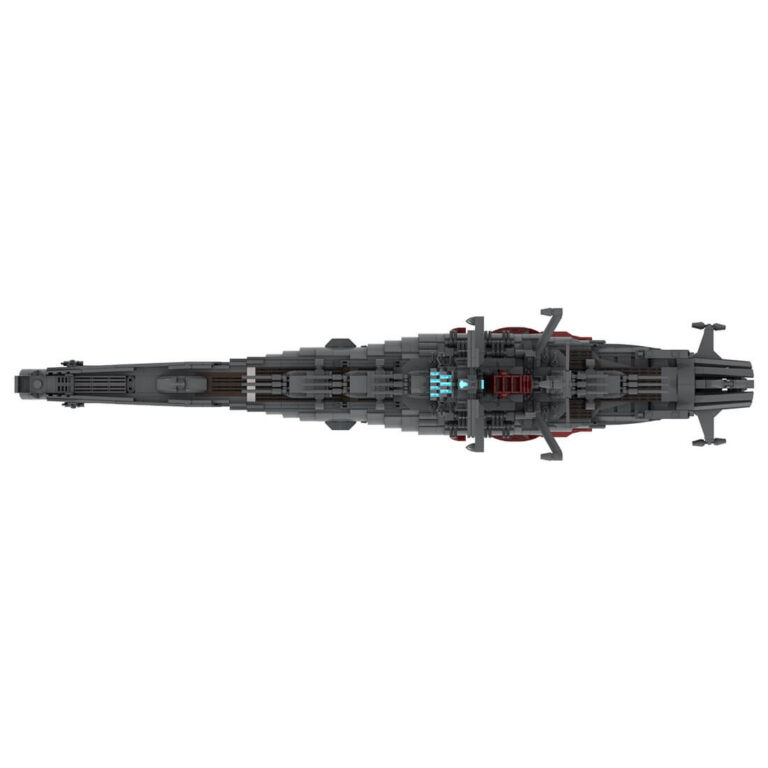
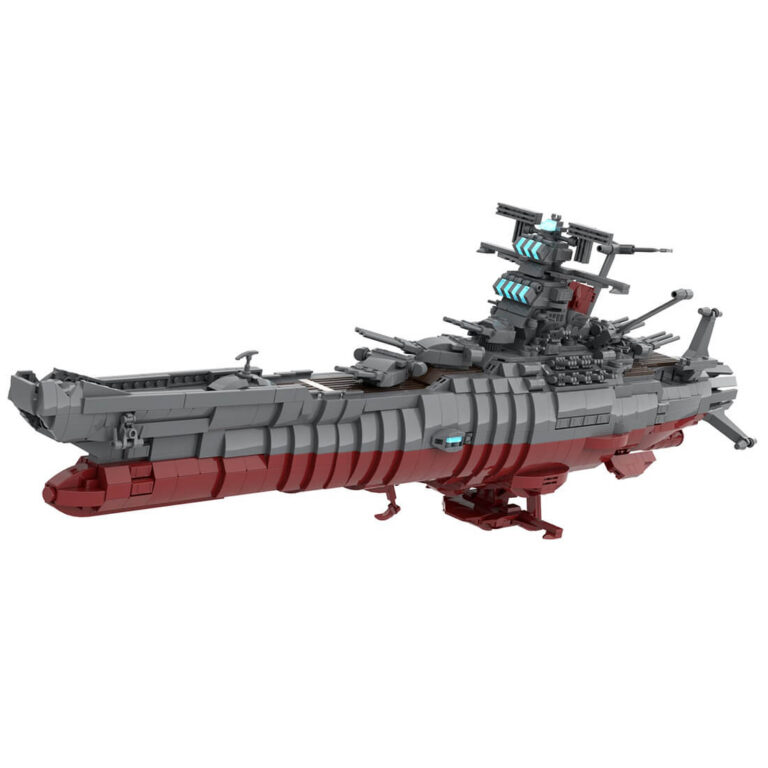
The Systems screen includes a glowing wireframe of the Yamato, animated radar, fictional reactor readouts, and status displays for the Wave Motion Engine and other ship systems.
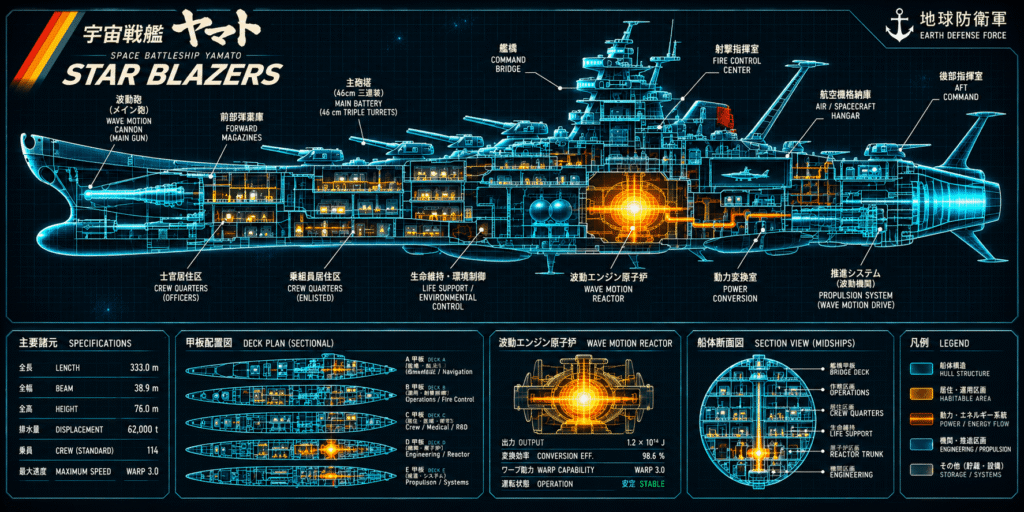
While researching the design, I discovered a wonderful archive of original Yamato technical cutaways, showing the internal compartments, machinery, hangars, and crew spaces.
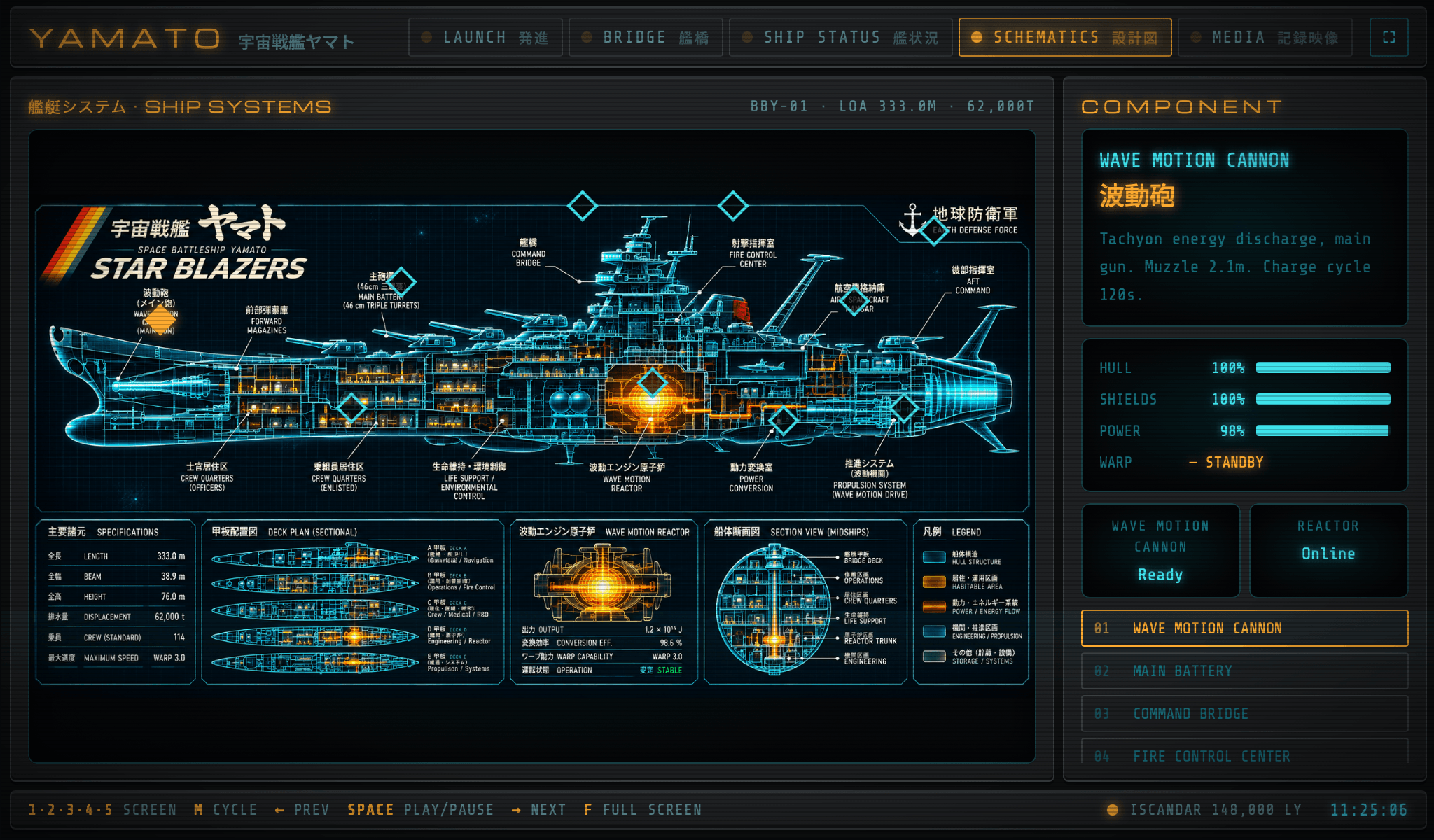
That led to a more elaborate technical blueprint, complete with an illuminated reactor and sectional diagrams.
Tap the ship schematic and the detailed cutaway opens for closer inspection.
It’s completely unnecessary.
Which is an excellent reason to include it.